


Rewilding in Italy
Feeding Stations
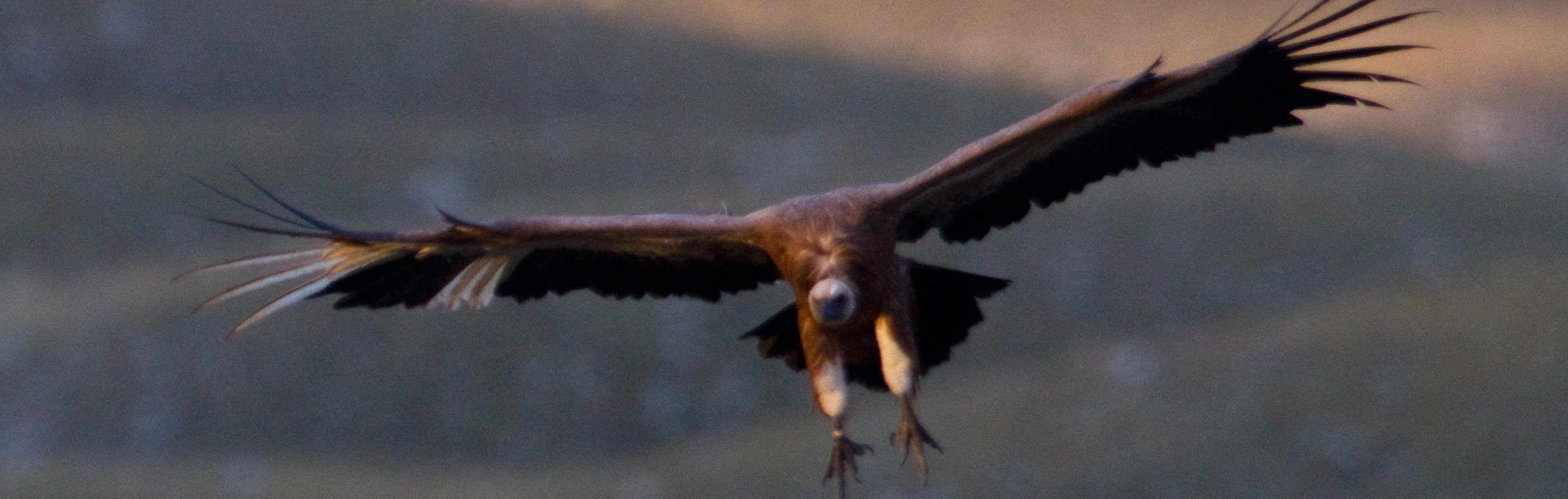
Griffon vultures feeding on carcass, Central Apennines.
Bruno D’Amicis / Rewilding Europe
Core Topics
- The use of carrion in feeding stations
- Permissions and authorisations required to establish feeding stations
Key Takeaways
Table of Contents
1.
1. How is the use of carrion in feeding stations regulated?
The regulation of carrion for use in feeding stations will depend on its source. The following EU law provisions apply directly in Italy.
1.1. Wild animals and game
Entire bodies and parts of wild animals (other than game) are not subject to the relevant EU regulations so long as they are not suspected of being infected or affected with a disease communicable to humans or animals.1 This means that wild animal carcasses can be used in feeding stations without specific checks so long as there is no suspicion of infection.
A similar exemption applies to wild game which is not collected after killing, in accordance with good hunting practice.2
1.2. Other animals including livestock
The use of other animals (e.g., livestock) is subject to specific rules provided by the EU regulation on animalby products3 and the related Commission implementing regulation4 (“Animal by-products Legislation”) which aim to ensure that animal by-products not intended for human consumption do not present any public or animal health risks. They, therefore, prescribe that such animal by-products must be disposed of using specified methods, including incineration and authorised landfill. However, the Legislation recognises that carrion is an important food source for certain protected species, as well as a potential method of dietary supplementation for necrophagous birds and permit the use of carrion in feeding stations in certain circumstances.
Under the Animal by-products Legislation, animal by-products are split into three categories according to their risk to public and animal health:
- Category 15 are those by-products identified as presenting the highest risk;
- Category 26 are medium risk including animals “that died other than being slaughtered or killed for human consumption, including animals killed for disease control purposes”; and
- Category 37 are low risk by-products which are generally considered fit for human consumption.
For each category, the Animal by-products Legislation specifies authorised disposal methods which generally would not include the use in feeding stations.
However, there are several derogations from animal by-product controls which are relevant for using such animal by-products in feeding stations:
- Competent authorities may authorise the use of Category 2 material (so long as the animals were not killed or did not die as a result of the presence or suspected presence of a disease communicable to humans or animals) and Category 3 material for feeding to (i) reptiles and birds of prey other than zoo or circus animals; and (ii) wild animals8;
- Competent authorities may authorise the use of Category 1 material, (i.e., “entire bodies or parts of dead animals containing specified risk material at the time of disposal”) to “endangered or protected species of necrophagous birds and other species living in their natural habitat, for the promotion of biodiversity”.9 This may be either inside or outside enclosed feeding stations. There are detailed conditions and limitations to such authorisation which are set out in Chapter II, Sections 2 and 3 of Annex VI of Regulation 142/2011.
Example
Sardinia is the first region in Italy to activate the derogations provided by the Animal by-products Legislation regarding the disposal of animal carcasses, as well as approve the use of heavy feeding stations for griffon vultures and necrophagous birds (more on heavy feeding stations in Section 2.2 below).
This is the result of a long process which involved proposing the idea to the Ministry of Health, a decision by the Department of Environmental Defence in 2014 and subsequent approval by the Department of Health in 2016.
There are two heavy feeding stations for griffon vultures in Sardinia which are currently managed by the Fo.Re.S.T.A.S. Agency in Porto Conte and Monte Minerva, combined with aviaries with acclimatisation systems.
A network of farmers is authorised to supply carrion of animals raised in a wild and semi-wild state to the feeding stations to maintain the natural feeding pattern of the griffon vultures, which are dependent on extensive pastoralism.
Sardinia is the first and only region in Italy to have authorised the use of carcasses of domestic animals raised in a wild and semi-wild state for the feeding of necrophagous birds.
Regional authorities in Sardinia have established a detailed procedure regarding feeding stations in the region, available here. This could be a useful guide for others wishing to set up feeding stations where a specific procedure may not have been established.
2. How can you set up feeding stations?
The derogations provided under the Animal by-products Legislation ensure the food supply of carrion to necrophagous species.
2.1. Species
Feeding stations (punti di alimentazione supplementare / carnai) may be set up in Italy for the following species of necrophagous birds:
- bearded vulture (Gypaetus barbatus);
- black vulture (Aegypius monachus);
- Egyptian vulture (Neophron percnopterus);
- griffon vulture (Gyps fulvus);
- golden eagle (Aquila chrysaetos);
- black kite (Milvus migrans); and
- red kite (Milvus milvus).10
In addition, feeding stations can be set up:
- in Special Areas of Conservation for the species of the order Carnivora which are listed in Annex II to the Habitats Directive.11 This includes wolf (Canis lupus), the brown bear (Ursus arctos) and lynx (Lynx lynx);
- in Special Protection Areas for species of the orders Falconiformes (raptors) or Strigiformes (owls), which are listed in Annex I to the Birds Directive.12
2.2. Light and heavy feeding stations
The structure of the feeding station will determine the number of operators and authorisations necessary, as well as the potential environmental considerations local authorities authorising the project may consider:
- Light feeding stations (carnai aziendali) are managed directly by the authorised farmer;
- Heavy feeding stations (carnai centralizzati allestiti) are supplied with carrion by multiple affiliated farmers. Note that advocating to establish a heavy feeding station may be more difficult as some have suggested that they may impact non-target populations in the surrounding environment.13
2.3. Authorisations
The competent authority may grant an authorisation to the operator responsible for the feeding station, provided that:
- the feeding station is not used as an alternative way to dispose of specified risk materials or fallen ruminant stock which poses a transmissible spongiform encephalopathy (“TSE”) risk;
- an appropriate surveillance system for TSEs as laid down in EU Regulation 999/2001 is in place involving regular laboratory testing of samples for TSE;14 and
- based on an assessment of the specific situation of the species concerned and their habitat, that the conservation status of the species will be improved.15
Under Italian law, there does not appear to be a specific administrative process to establish a feeding station applicable nationwide. It seems likely that a process similar to the one followed for reintroduction projects may be adopted (see Rewilding in Italy: Wildlife Reintroductions).
The first step if you wish to establish a feeding station will therefore be to consult the local municipality and regional authorities. You should check regional laws outlining the application process to set up a feeding station or reintroduction project in their region of interest:
- see, for example, the applicable rules in the Lazio and Abruzzo regions, respectively;
- also note that regions where feeding stations are already active may have specific procedures in place (see Sardinia case study in Section 1.2 above).
The Veterinary Services of the Local Health Service (Servizi Veterinari dell’ASL) is responsible for authorising a feeding station project, carrying out inspections and monitoring the feeding station to prevent risks to public and animal health. Applications to set up a feeding station must be submitted to the Local Health Service. In addition, feeding stations should be registered in the SINTESI database (Sistema integrato per gli scambi e le importazioni) and this should also be required in the application.
by-product Legislation is carried out by the Advanced Institute for Environmental Protection and Research (Istituto superiore per la protezione e la ricerca ambientale – ISPRA).
2.4. Application
The Local Health Service is responsible for issuing the authorisation and then registering the project on their database.
The individual who will act as operator of the feeding station must apply to the Local Health Service requesting authorisation pursuant to the derogations provided under EU law. The following should be specified in the application form:
- name and address of the operator;
- location of the feeding station;
- necrophagous species for which supplementary feeding is required;
- detailed information on the route used to transport the carrion from the place of origin to the feeding station; and
- estimated quantities of carrion on an annual basis needed to restore the original food availability for the species.
The authorisation issued by Local Health Service will be suspended in case of a suspected or confirmed risk of TSE until such risk can be excluded, or noncompliance with one of the rules provided in Regulation (EU) 142/2011.
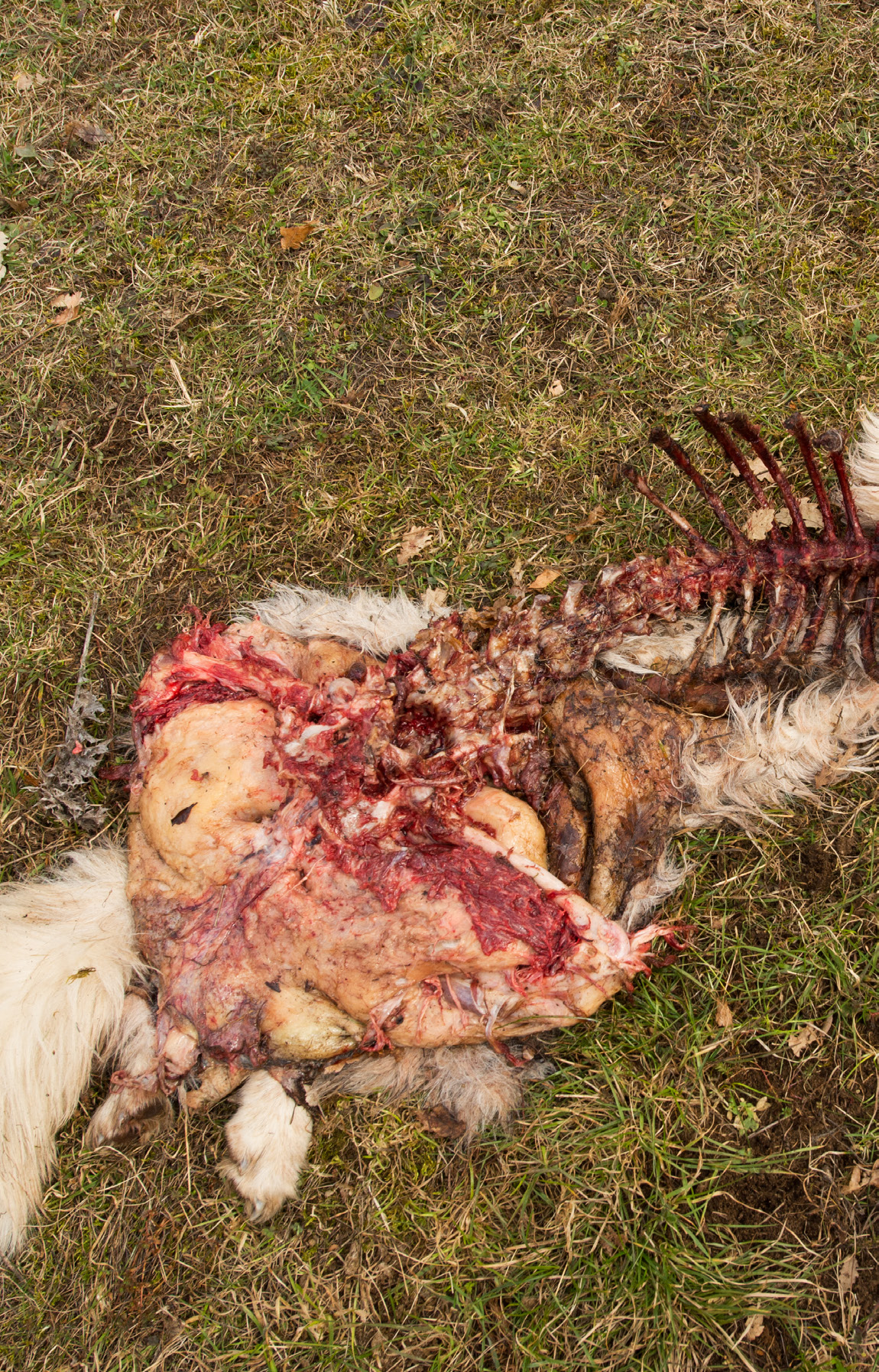
Dog killed by wolf, Central Apennines
Staffan Widstrand / Rewilding Europe
The Best Practices Handbook highlights best practices on authorisation, implementation and management of feeding stations, focusing on vulture conservation and the griffon vulture in particular, and is designed to help practitioners, as well as veterinary services for animal health and livestock hygiene (Servizi veterinari di sanità animale e di igiene degli allevamenti), the Regional Departments of Environmental Defence, and livestock farm owners.16
2.5. What are my obligations?
As the operator responsible for the feeding station, you must:
- dedicate an area to the feeding that is enclosed and to which access is limited to animals of the target species, if appropriate by fences or by other means which correspond to the natural feeding patterns of those species;
- ensure that eligible bodies of bovine animals and at least 4% of eligible bodies of ovine and caprine animals intended to be used for feeding are tested prior to that use with a negative result, in the TSE monitoring programme17; and
- keep records of at least the number, nature, estimated weight and origin of the carcasses of the animals used for feeding, the date of the feeding, the location where feeding took place and if applicable, the results of the TSE tests.18
You should contact the Ministry of Health to request copies of the notes and guidelines implementing the Animal by-product Legislation and establishing specific requirements for feeding stations, e.g., as regards the characteristics of the feeding station (including distance from residential settlements, fence height and type, etc.) and transport of carrion to the feeding station.19
Example
There is a growing interest in setting up feeding stations around Italy, as these two cases show.
Central Italy
In the Central Apennines, Rewilding Apennines has identified vultures as a keystone species for the ecological services they provide and has been working on restoring a community of scavenging birds in the Central Apennine landscape.
Since 2019, staff and volunteers have been monitoring the population of griffon vultures with the aim of improving their viability. They are focused on addressing the threats to their conservation, e.g., poisoning.
The creation of a network of feeding stations is part of this strategy as it will support the growth of the local griffon vulture population. It may also attract other vulture species to become resident in the area, and it may support future reintroduction plans. This is aligned with the general recognition by the scientific community that feeding stations are an important conservation tool for vultures.
At present, there are three feeding stations recognised by the law in the Central Apennines: two in the Gran Sasso and Monti della Laga National Park, which are under the management of the park authority; and one in the Velino State Reserve, which was under the management of the Italian Forestry Corps, renamed in 2016 as Carabinieri Forestali.
The three feeding stations are unused because there have been some management constraints (in the case of Gran Sasso and Laga Mountains NP), and because of a change in the vulture conservation strategy in the Velino State Reserve, which was created to support the griffon reintroduction in 1990s.
In agreement with the Carabinieri Forestali, Rewilding Apennines has applied for the restoration of the feeding station in the Velino State Reserve. The goal is to support the griffon population with safe meat provisions, especially in the wintertime, and for scientific purposes, such as monitoring, marking and fitting certain birds with GPS transmitters. This effort will enable both Rewilding Apennines and the Carabinieri Forestali to study the griffon vultures’ diet and address the existing threats to these animals, namely poisoning.
Rewilding Apennines has also applied for the management concession for one of the two feeding stations in the Gran Sasso and Monti della Laga NP. This has been recently denied for some administrative issues related to the local health agency (ASL), which entrusted the park with the management of this facility.
Rewilding Apennines is also partner of Stazione Ornitologica Abruzzese which is planning the creation of an already-authorised feeding station – the fourth for the region. This feeding station is on private land and has the agreement of the landowner. This feeding station is under construction outside any protected area and the target species are red and black kites, although the ambition is also to attract vulture species which are not currently present in this area. This fourth feeding station would cover the southern part of the Abruzzo region, bordering the Maiella National Park.
Southern Italy
Since March 2022, supplementary feeding stations for Egyptian vultures are active in the regions of Apulia, Basilicata, Calabria, and Sicily. The projects are managed by regional authorities together with Life Egyptian Vulture and other NGOs.
Each feeding station is regularly supplied with meat scraps from butchers and consists of three fixed structures surrounded by a fence and a “flying” structure surrounded by an electric fence. The stations are monitored by a video surveillance system and/or photo traps, which serve to monitor their use by Egyptian vultures and other raptor species as well as to ensure safety onsite. More information on these projects is available here.
2.6. Type of land
In addition to the above, you should also consider that additional documents or authorisations may be necessary depending on type of land the feeding station will be set up on.
- Public land: Consider the current land destination, as you may need to apply to the competent authority to have it changed to accommodate the feeding station. You may also need to go through a public tender procedure to obtain rights to manage the land.
- National Park / Natura 2000 area / other protected area: In these cases, you may need to partner with the management body of the park and/ or the local authority (generally the municipality) to manage the feeding station. In addition, an environmental impact assessment (“EIA”) may be necessary.
- Private land: As a private landowner, you do not need government authorisation to build structures and/or fencing on your land. However, note that you should still inform local authorities of your intention to build a feeding station as it may impact the surrounding environment and it may be necessary to liaise with regional and local government, the Advanced Institute for Environmental Protection and Research and/or the Local Health Service (Agenzia sanitaria locale – ASL).
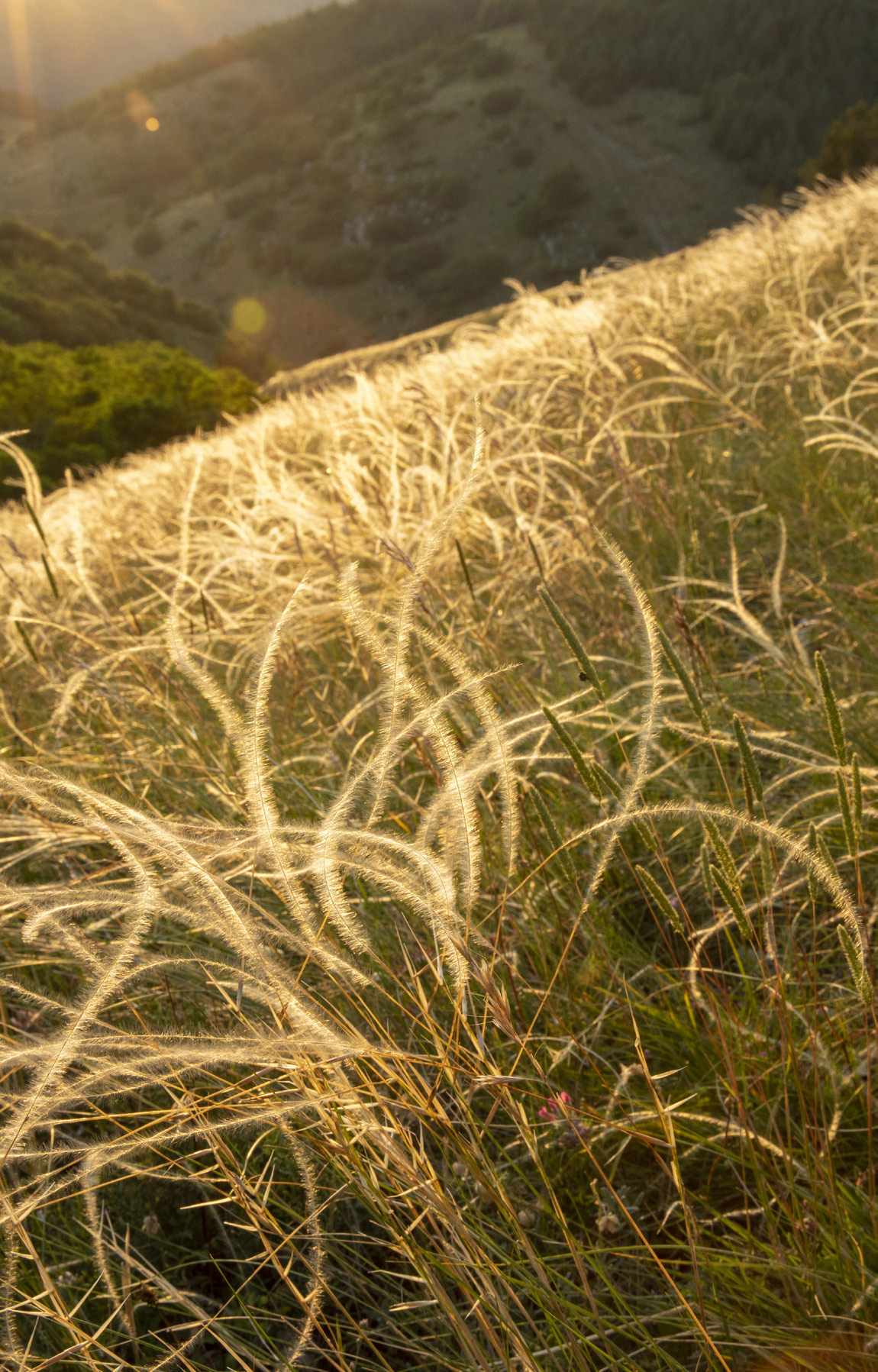
Feather grass flowering in wildlife corridor, Central Apennines
Bruno D’Amicis / Rewilding Europe
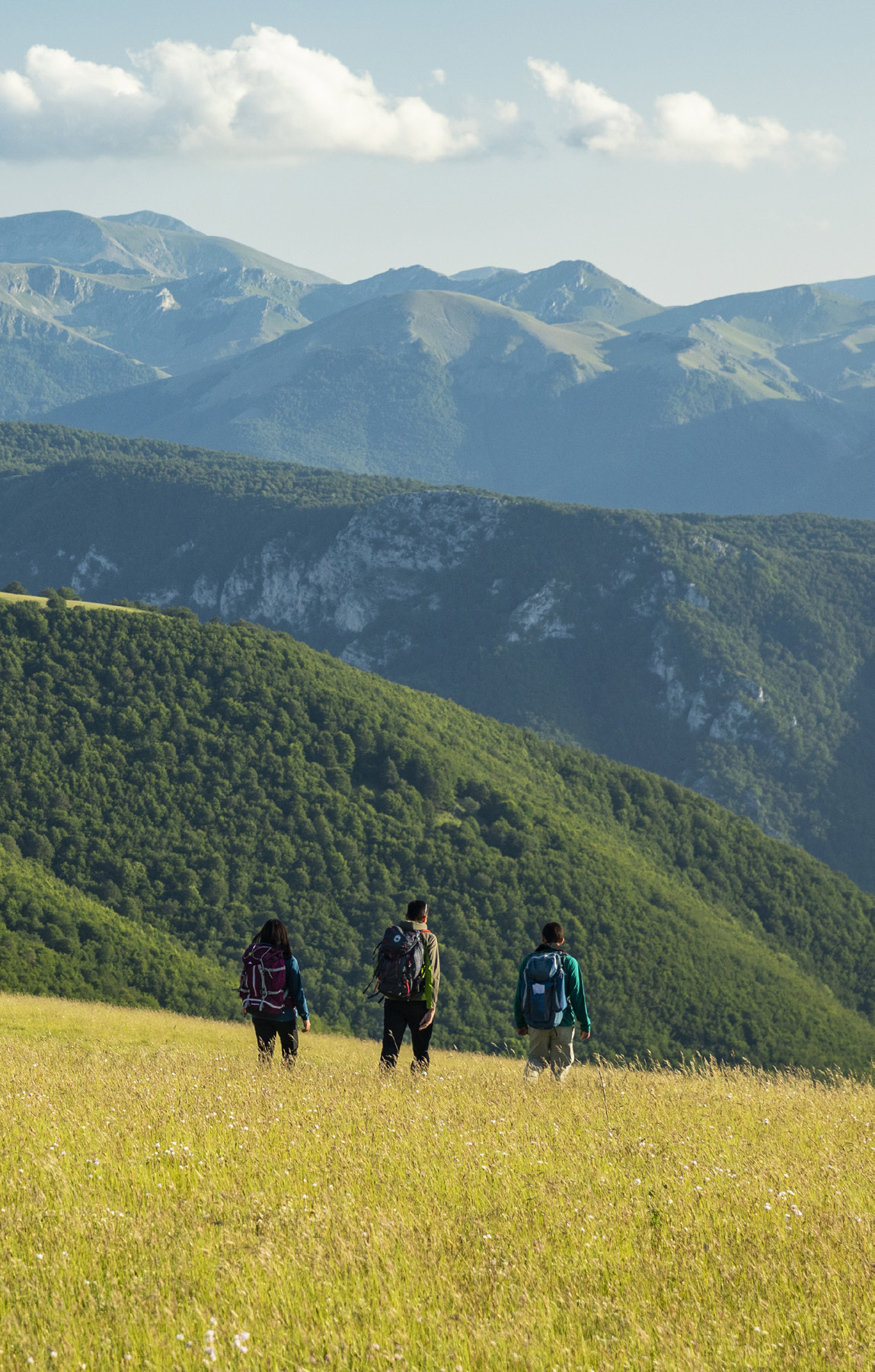
Team monitoring wildlife, Mount Genzana Nature Reserve, Central Apennines.
Bruno D’Amicis / Rewilding Europe
2.7. Feeding outside feeding stations
In addition to permitting the supply of Categories 2 and 3 carrion to feeding stations, competent authorities may authorise the feeding to wild animals of Category 1 material comprising of “entire bodies or parts of dead animals containing specified risk materials” outside feeding stations, within geographically defined feeding areas, if appropriate without prior collection of the dead animals.20 This possibility is limited to the feeding of endangered and protected species (see 2.1 above) and must comply with the obligations referred to in Regulation (EU) 142/2011.21
Example
A landowner wants to create a feeding station for Griffon vultures in the hope that the species will slowly recover from near extinction. Besides talking with local butcher shops to source left over animal carcasses, the landowner also wants to be able to use carcasses from livestock animals on nearby farms which die of natural causes, rather than the farmers removing them for incineration or burial.
The following types of materials may be used to supply the feeding station (in accordance with applicable restrictions and authorisations outlined in Regulation (EU) 142/2011):
- entire bodies or parts of dead animals containing specified risk material at the time of disposal;
- animals that died in ways other than being slaughtered or killed for human consumption, including animals killed for disease control purposes (Category 2); and/or
- animal by-products which are generally considered fit for human consumption (Category 3 – meat from farmers or butchers is likely to fall under this category).
As part of the checks required to authorise a feeding station, regular laboratory testing must be carried out on samples of the meat for the feeding stations to check for transmissible spongiform encephalopathies (TSEs). In particular, eligible bodies of bovine animals and at least 4% of eligible bodies of ovine and caprine animals must test negative prior to being used in the feeding station.
This applies to any food source, regardless of its source, including meat acquired from local butchers, livestock from nearby farms, etc. Note that butchers already check for antibiotics that can harm humans, but not for any substances that may be harmful to animals, so additional tests may be necessary.
The landowner must ensure that a veterinarian regularly tests samples from the food source for the feeding station. Additionally, the landowner should keep records of at least the number, nature, estimated weight and origin of the carcasses of the animals used for feeding, the date of the feeding, the location where feeding took place and if applicable, the results of the TSE tests.
Endnotes
- Article 2(2)(a) Regulation EC 1069/2009. This exception does not apply to aquatic animals landed for commercial purposes.
- Article 2(2)(b) Regulation EC 1069/2009.
- Regulation (EC) 1069/2009 of 21 October 2009 laying down health rules as regards animal by-products and derived products not intended for human consumption and repealing Regulation 1774/2002.
- Commission Regulation (EU) 142/2011 of 25 February 2011 implementing Regulation (EC) 1069/2009 and Council Directive 97/78/EC.
- Defined in Article 8 Regulation EC 1069/2009
- Defined in Article 9 Regulation EC 1069/2009
- Defined in Article 10 Regulation EC 1069/2009
- Regulation EC 1069/2009, Article 18(1)
- Regulation EC 1069/2009, Article 18(2)(b)
- Regulation (EU) 142/2011, Chapter II, Section 2.
- Directive 92/43/EEC.
- Directive 2009/147/EC.
- The Best Practices Handbook on Feeding Stations for Griffon Vulture Conservation (the “Best Practices Handbook”), p. 5-6, available here.
- Regulation (EU) 142/2011, Annex VI, Chapter II, Section 2, Article 1(b).
- Regulation (EU) 142/2011, Annex VI, Chapter II, Section 2, Article 1(d).
- These guidelines were applied in the Autonomous Region of Sardinia, in particular in the Natura 2000 sites located in the northwest of the island, they were designed to be applied throughout Italy and Europe.
- The TSE monitoring programme must be carried out in accordance with Annex III to Regulation 999/2001 and, if applicable, in accordance with a Decision adopted in accordance with the second subparagraph of Article 6(1b) of that Regulation.
- Regulation (EU) 142/2011, Chapter II, Section 2, Article 1(f).
- Including the following: DGISAN no. 29562 of 10 July 2013, DGSAN no. 3981 - P - 9 February 2015, etc. More information regarding Ministry of Health requirements available here and in the Best Practices Handbook.
- Regulation (EU) 142/2011, Annex VI, Chapter II, Section 3.
- Id. See also, Chapter III, articles 13 and 14.


Contact Us

Elsie Blackshaw-Crosby