



Rewilding in Italy
Wildlife Reintroductions
Rewilding Apennines’ team members monitoring wildlife, Central Appenines.
Bruno D’Amicis / Rewilding Europe
Core Topics
- Reintroductions and reinforcements of native species
- Introduction of non-native species
Key Takeaways
1. General Legal Regime for Reintroductions
1.1. What are the preliminary legal considerations for developing a reintroduction programme?
The Habitats Act, as amended,1 implements the EU Habitats Directive and is the key national legislation that regulates reintroductions. It defines reintroduction as a translocation aimed at re-establishing a population of a given animal or plant species in an area where it has been documented to have naturally been found in the past and in which it is now extinct.2
The Habitats Act envisages reintroductions being undertaken by public bodies3 and so it is likely that you will need to work very closely with the relevant municipalities and local authorities, specialist science groups, etc. to progress any reintroduction.
You should consider the following aspects when developing a reintroduction programme, as they will help determine the applicable laws and regulations:
- Species: What species are being reintroduced? Are the species native to the area in which they will be released? Is the species a protected species? These issues are addressed in Section 2 of this note.
- Location: What geographical area are the animals being reintroduced to? What is its status – is it a protected area and/or is it subject to specific land use or planning permission requirements? These issues are addressed in Section 3 of this note.
- Import/export and transport: Does transportation entail import and export? If so, are the countries of import and export EU member states? These issues are addressed in Section 4 of this note.
- Animal welfare: Are there any animal health or welfare obligations which need to be complied with? These issues are addressed in Section 5 of this note.
1.2. How do international laws impact reintroductions in Italy?
Reintroduction programmes are likely to fall under one or more of the main international treaties and EU directives relating to environmental, wildlife and habitat conservation.4 Although international treaties set out high-level obligations for state parties and are therefore not directly applicable to rewilding projects, they represent legal instruments that look favourably upon conservation and reintroduction efforts in respect of native species and are a useful tool to encourage national and local legislation. A summary of these key international legal instruments is available here.
1.3. What are the key national and regional frameworks applicable to reintroductions?
National and local laws set out the rights and obligations that are directly applicable to practitioners, government, and other stakeholders.
National and local laws
The Habitats Act is the key national legislation applicable to reintroduction projects.
However, the detail of animal and plant conservation is regulated by regional laws, which often also provide additional protections in relation to flora and fauna native to the area.
The Advanced Institute for Environmental Protection and Research (Istituto Superiore per la Protezione e la Ricerca Ambientale – ISPRA) has provided guidelines on protected plant and animal species in Italy, which include references to the legal provisions applicable in each region.5
The Reintroduction Guidelines
The Reintroduction Guidelines are a helpful tool for practitioners as well as government bodies and it is advisable to consult them when developing a reintroduction programme.6 Although the Reintroduction Guidelines are not legally binding, they highlight best practice on animal reintroductions, as outlined below.
The Reintroduction Guidelines suggest a “holistic” approach to reintroductions. This means that consideration should be given to the ecosystem as a whole, with the aim of assessing how appropriate and feasible the project is, as well as identifying all related risk factors and possible mitigation measures.
In addition, reintroduction programmes should take into account national action plans applicable to the species in question, as well as applicable international action plans and guidelines.7
The Reintroduction Guidelines also offer case studies of existing reintroduction programmes across Italy and provide insight from a scientific standpoint as to what makes reintroduction programmes successful.
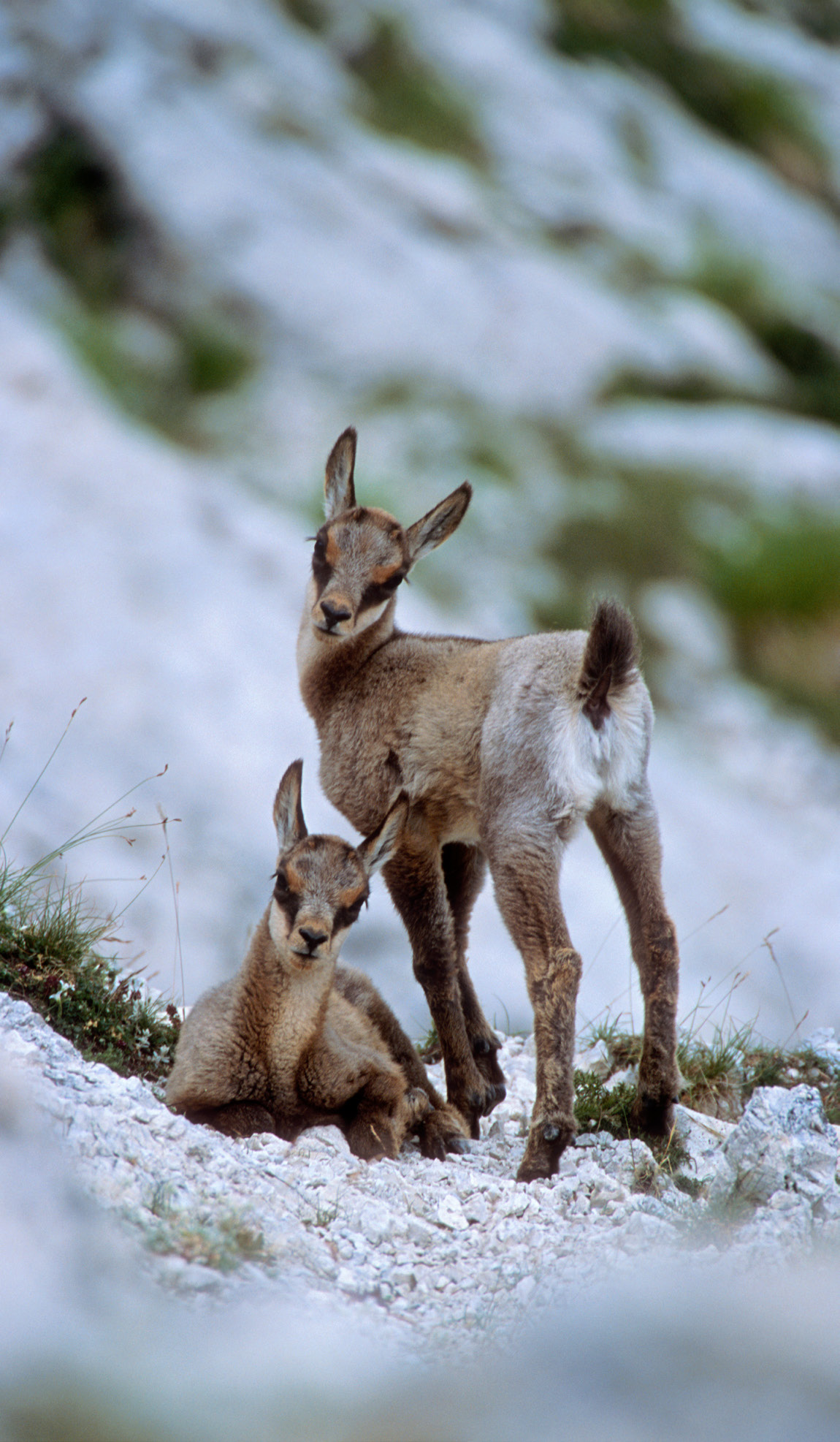
Apennines/Abruzzo chamois few weeks old kids, Central Apennines.
Bruno D’Amicis / Rewilding Europe
2. Considerations Relating to the Species to be Reintroduced
2.1. Native vs. non-native species
Native and non-native species are regulated differently, with more permissive laws towards reintroductions of native species.
Under Italian law, the Habitats Act provides the following definitions:
- native (autochthonous) means a population or species that is indigenous to Italian territory for historical or ecological reasons; and
- non-native (allochthonous) means any population or species that did not initially belong to Italian autochthonous fauna.8
Where these terms are used in this briefing, the meanings given above shall apply.
The International Union for Conservation of Nature and Natural Resources Guidelines for Reintroductions and Other Conservation Translocations (the “IUCN Guidelines”) refer to “indigenous range” rather than native / non-native. Although these Guidelines are not legally binding in Italy, they are an important and useful reference. These Guidelines define “indigenous range” broadly as “the known or inferred distribution generated from historical (written or verbal) records, or physical evidence of the species’ occurrence. Where direct evidence is inadequate to confirm previous occupancy, the existence of suitable habitat within ecologically appropriate proximity to proven range
may be taken as adequate evidence of previous occupation”. Therefore, it is not required for a species to have occurred in the recent past for it to qualify as “indigenous” under the IUCN Guidelines.
2.2. What licenses are required for the reintroduction of native species in Italy?
Local government authorisation
Reintroduction programmes are subject to authorisation by the regional administrative office responsible for the area in question. As explained above, the Habitats Act envisages that applications for authorisation of reintroductions will be submitted by public entities, such as municipalities.9 Therefore, although rewilding projects may create the impetus and drive for reintroductions, it appears that they will need to work with public bodies to prepare and apply for authorisation.
Authorisation for a reintroduction programme is generally given by the ‘region’, i.e., the regional government, based on (a) legal criteria provided by the Ministry of the Environment, where species under “strict protection” are concerned10; and (b) a feasibility study (see (ii) below). In national protected areas, authorisation is issued by the competent management body, after consulting with regional government.11 However, for certain types of authorisation (such as the environmental impact assessment referred to in Section 3 below), specific bodies are competent.
Taking the examples of four regions in Italy where rewilding is already occurring, the following authorities would be responsible for issuing the relevant authorisations:
- in Molise, the competent authority is the Plant Protection and Enhancement of Mountains and Forests Service (Servizio Fitosanitario, Tutela e Valorizzazione della Montagna e delle Foreste), except for the cases referred to in Article 5, paragraphs 9 and 10 of the Habitats Act12, which fall within the competence of the Regional Council13;
- in Lazio, the competent body is, unless otherwise provided for, the Region itself, i.e., the regional government14;
- in Abruzzo, the competent authority is the Coordination Committee for the Environmental Impact Assessment (Comitato di Coordinamento per la Valutazione di Impatto Ambientale)15;
- in Marche, the competent authorities are either the management bodies of protected natural areas (enti di gestione delle aree naturali protette), the Mountain Communities (comunità montane) or the single districts (province).
In cases where the reintroduction programme covers more than one region, authorisation must be granted by each of the regions potentially affected by the programme.
In practice, it appears that administrative costs relating to the reintroduction process are generally borne by party undertaking the reintroduction, even when it is taking place on public land.
Study and assessment phase
The abovementioned authorisation may be granted following a study conducted by the Advanced Institute for Environmental Protection and Research (Istituto Superiore per la Protezione e la Ricerca Ambientale – ISPRA) or another scientific body specialising in the taxon in question.
This study should cover the following broad topics:
- the feasibility and appropriateness of the reintroduction programme, e.g., considering the reasons for intervening, effectiveness and consistency with guidelines on recovering the species in question, as well as the probability of success;
- risk analysis, e.g., assessing the impact removing the species would have on the population of origin, the health risks and possible effects of hybridisation, predation, competition, feeding, etc. both in the short and medium-long term, including considering the consequences of future population expansion after the reintroduction; and
- possible mitigation measures in respect to the risks identified.
The study should also consider the technical guidance published by the National Environmental Protection Network (Sistema nazionale protezione ambiente – SNPA) and, where available, any plans and national or international guidelines.
For the recovery of locally extinct species, onsite conservation efforts of any remaining populations of the species should be prioritised where possible, including by encouraging their natural expansion.
This study will then be examined by regional government, or the management body of the national protected area concerned, supported by ISPRA or the regional / provincial environment agency.16
Health and safety checks
You should also contact the Local Health Service (Azienda Sanitaria Locale – ASL), which will be responsible for specific health and safety checks before and over the course of the reintroduction programme.
What if the reintroduction programme entails a change of destination of the land?
In cases where the land was previously used for a different purpose, such as grazing, those undertaking a reintroduction are also required to contact the municipality and region, as well as inform tax authorities, to formally change the destination of the land.
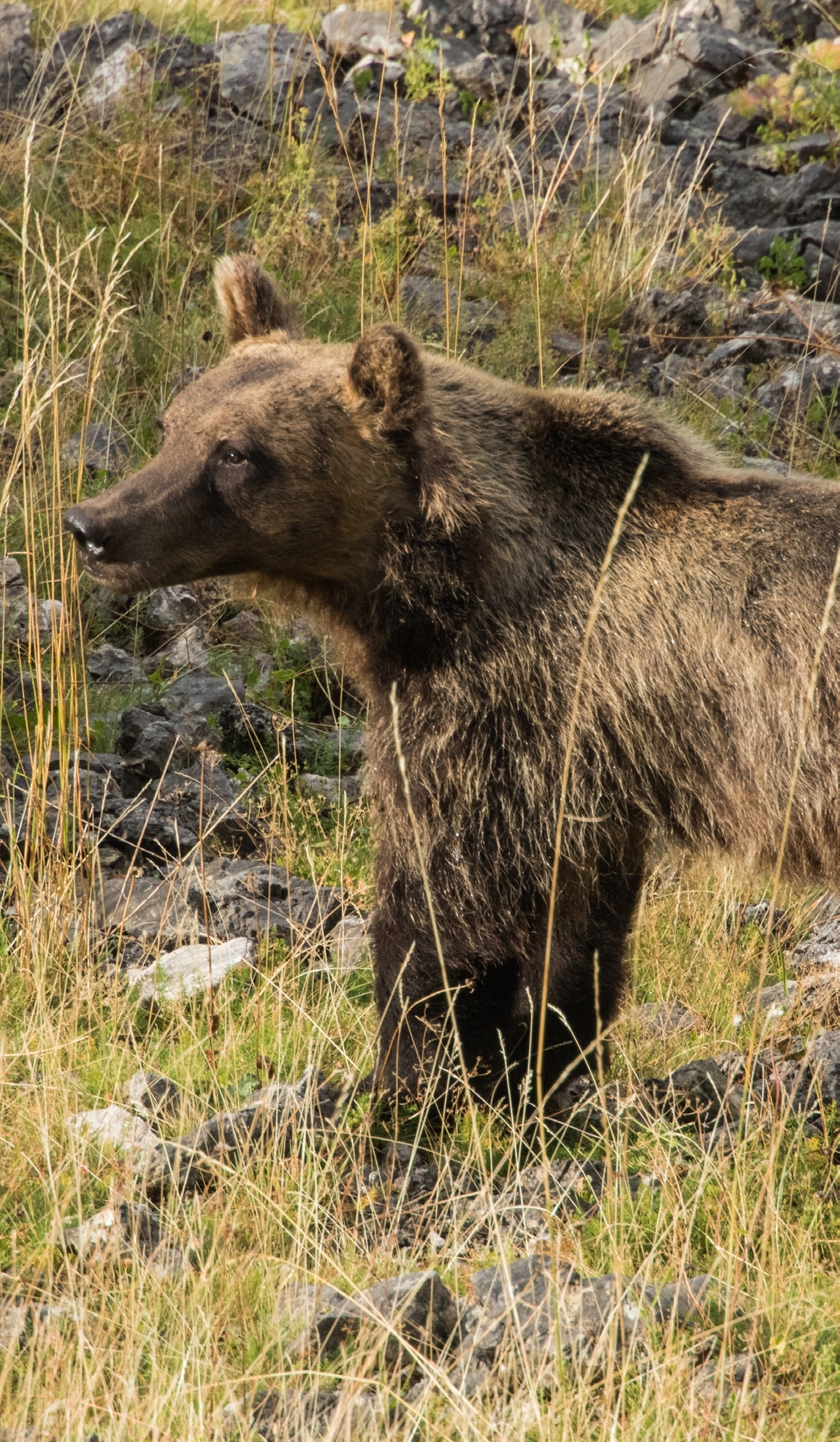
Adult Marsican brown bear on a mountain slope, Central Apennines
Bruno D’Amicis / Rewilding Europe
2.3. Can I introduce non-native species?
According to the Reintroduction Guidelines, the restrictions concerning introductions of non-native species set out in the Habitats Act should be understood as a general ban on the introduction of any and all non-native plant and animal species, with the exception of individual cases where a risk-based scientific assessment shows that introducing certain non-native species would not entail risks for any of the specially protected habitats or wildlife under the Habitats Act.
It may therefore be possible to reintroduce non-native species as proxies for now-extinct native species, but this will require additional permissions and studies considering this general ban.
tter has been recently addressed by a Decree17 which provides that the release of non-native species is allowed, subject to the following conditions:
- the entity applying for the authorisation must submit an application to the Ministry of the Environment accompanied by a risk assessment which covers, among others:
- the characteristics of the species or population to be released;
- the area affected by the release;
- the reason for the introduction, specifying the overriding public interest that requires the release of the non-native species;
- assessment of the probability of establishment of the non-native species in the area of introduction and spread in the surrounding areas; and
- analysis of (i) the possible direct and indirect risks linked to the introduction of the non-native species on native ones; as well as (ii) the environmental and ecological benefits linked to the introduction.18
The application should be approved by the Ministry of Environment, which will also:
- indicate the time period during which the introduction of the non-native species is allowed;
- define the area where the presence of the nonnative species is permitted; and
- include any other additional appropriate prescription.
2.4. Are there additional licences required for the reintroduction of native fauna species which are protected by law?
The Habitats Act sets out the natural habitats and plant and animal species that are subject to “strict protection” under Italian law implementing EU law, in particular the Habitats Directive and the Birds Directive.19
If you are reintroducing species which are strictly protected, you will need additional licences if you plan to capture specimens in the wild for release as part of your reintroduction project. You may also need to obtain licences for monitoring activities after the
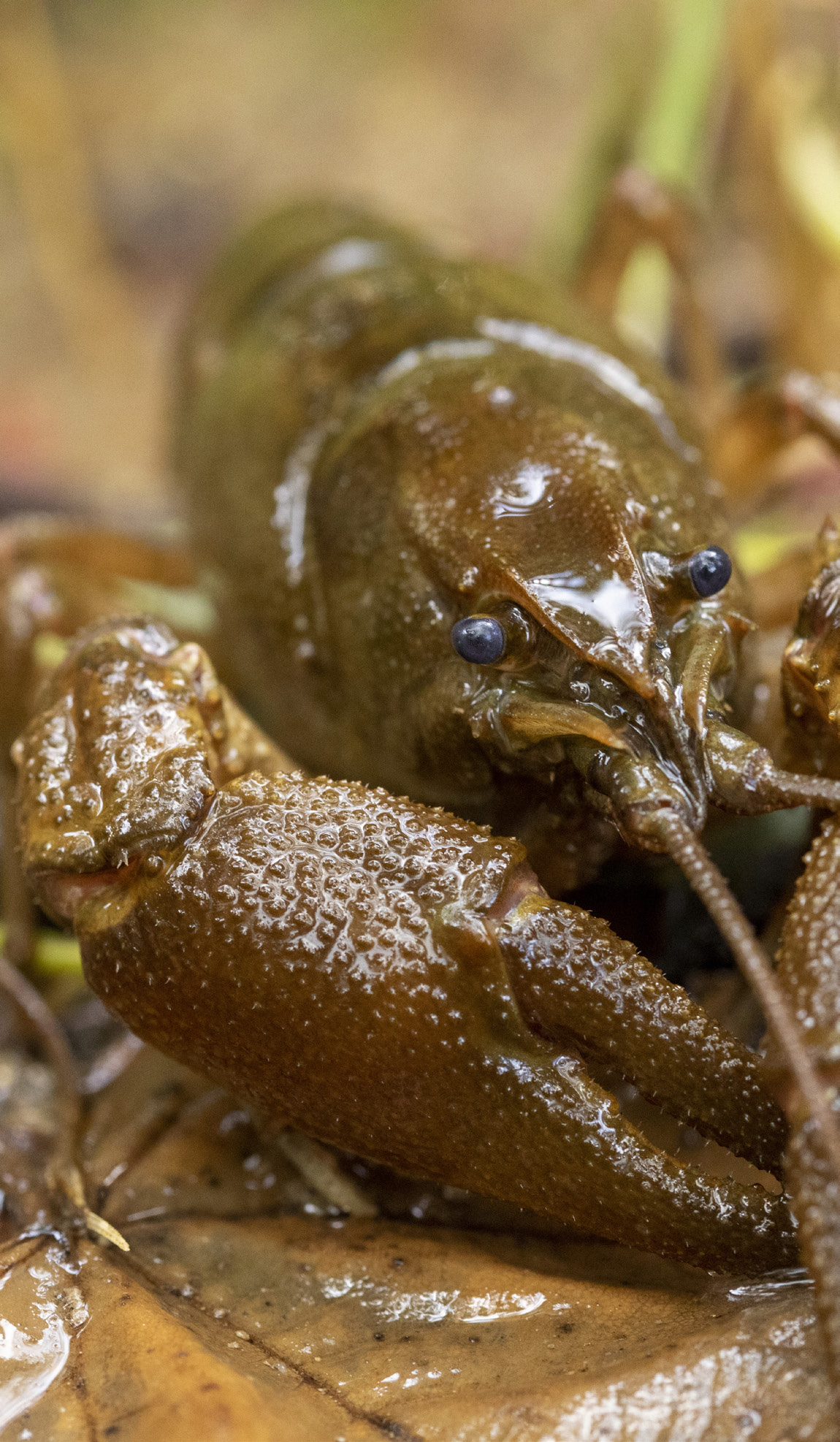
Breeding, restocking, and introduction project of White-clawed crayfish, Central Apennines
Bruno D’Amicis / Rewilding Europe
animals have been released, to the extent your monitoring will disturb or interfere with the animals.
Strict protection of animal species translates into a general ban on the following activities:
- capturing, killing specimens of such species in their natural environment;
- disturbing such species, in particular during all phases of their reproductive cycle or during hibernation, wintering and migration;
- destroying their nests or collecting their eggs in the wild;
- damaging or destroying their breeding sites or resting areas;
- possession, transport, exchange and trade of specimens taken from the wild.20
This means that the status quo in relation to strictly protected species is that they cannot be captured or disturbed as part of reintroduction projects (e.g., for release into other sites).
However, such protection can be subject to derogations for the following restricted purposes:
- to protect wild fauna and flora and preserve natural habitats;
- to prevent serious damage to crops, livestock, forests, fish stocks, water and property;
- to protect public health and safety or other imperative reasons of overriding public interest;
- for research, repopulation, and reintroduction purposes; and
- to permit, under strictly controlled conditions, on a selective basis and to a limited extent, the capture or keeping of a limited number of certain specimens of those species.21
- Such derogations are subject to (i) a specific authorisation by the Ministry of Ecological Transition (i.e., Ministry of the Environment), after obtaining the opinion of the Ministry of Agriculture and Forestry and the National Institute for Wildlife (Istituto Nazionale per la Fauna Selvatica – INFS); and (ii) the absence of any alternative solution which is suitable to obtain the same result the derogation is aimed at achieving.
2.5. Are additional licences required to reintroduce protected plant species?
The Habitats Act ensures “strict protection” for the plant species listed under Annex D, lett. b) therein, prohibiting the following, in respect of all phases of their biological cycle:
- picking, collecting, cutting, uprooting, or destroying specimens of such species in their natural distribution area; and
- possession, transport, trade, or exchange of such species collected in the wild.22
Additional protections may also be added on a regional level in relation to plant species native to the local area23.
Example
A landowner wants to use their land to help expand the range of wolves which exist in surrounding areas. They are considering two options to achieve this aim:
- Direct reintroduction programme: They know of a den that a wolf pack has on the border between where they currently are established and a territory where the animals appear to have been exploring and attempting to settle in the last months. The landowner’s land is within this new territory. Could they relocate one breeding pair to their land?
- Indirect reintroduction programme: Alternatively, could the landowner use the land to increase the population of wolves’ natural prey (wild horses, roe deer etc) to support the wolves into their new territory, thus expanding the range of wolves?
To implement either option, the landowner should follow the steps outlined in this briefing, including:
Create a reintroduction programme (including ecological and social asssessments) to be assessed by the regional environmental department or national park entity and the appropriate scientific institute;
Obtain government authorisation to implement the reintroduction programme. As wolves are strictly protected, a licence will need to be obtained as part of the direct reintroduction if they wish to capture a breeding pair for release.
Contact local government and tax authorities if the programme entails a change of destination of the land;
Conduct an environmental impact assessment if the release may impact a protected area;
Verify health and safety aspects with the Local Health Service.
3. Considerations Relating to the Release Site
Reintroduction projects may need to conduct an environmental impact assessment (“EIA”)24 if they may impact:
- a special area of conservation25;
- a site of EU importance26; and/or
- a proposed site of EU importance.
In practice, the EIA may be based on the results of the study conducted by the specialised institute mentioned in Section 2 above.
The first stage of assessment is known as a screening assessment. This is required for all plans and projects which are not directly connected with, or necessary for, the conservation management of the protected site and therefore applies to reintroduction projects unless they are part of the site’s management plan. At this screening stage, the assessment must consider whether the plan or project (either alone or in combination with other plans/projects) is likely to have a significant effect on the protected features of the site.
Where this assessment concludes that the reintroduction project will not have a significant effect, this should be recorded along with the reasons for reaching this conclusion.
Where the screening assessment concludes that the potential for likely significant effects cannot be excluded, the competent authority27 must undertake a detailed appropriate assessment to understand the implications of the proposed reintroduction on the site’s conservation objectives.
Although the competent authority undertakes the assessment, they will rely on information and studies provided by those undertaking the reintroduction.
Permission will be given only if adverse effects on the integrity of the site are ruled out, including through the use of mitigation measures. Where such impact cannot be ruled out and where there are no alternative solutions, permission will only be granted if there are reasons of over-riding public interest and necessary compensatory measures can be secured.
This process may also need to be followed where a reintroduction is taking place outside of a protected site but where it may impact a protected site.
Example
A landowner is a flower enthusiast and is particularly interested in a native plant species that is listed in Annex D of the Habitats Act. The landowner knows that the species in question used to exist in the region but has disappeared due to human pressure. The landowner has been in contact with a research project doing work on the conservation of this species elsewhere and wants to assign part of their land to the restoration of the species. The soil and climate are of exceptional quality for the project. Can this landowner reintroduce such species under the applicable rules?
The “strict protection” provided for by the Habitats Act allows for reintroductions of the native plant species in question.
Since the Ministry of Ecological Transition regulates reintroductions on a case-by-case basis, the landowner should contact the Ministry to seek guidance as to the reintroduction process of the species of interest (via the following email address: urp@mite.gov.it).
The next steps would be contacting the regional administrative office responsible for the area in question to carry out an assessment of the reintroduction programme necessary for obtaining authorisation for the reintroduction.
4. Considerations where Animals are being Imported for Release
Depending on the reintroduction programme, the species may have to be imported and/or temporarily held in captivity before being released into the wild. Cross-border transportations and importation of animals from different jurisdictions obey to different rules that you should be aware of.
4.1. Importation of animals
You should carry out a preliminary check whether the species of interest is included under:
- the Annexes to the CITES Regulation28;
- the list of species-country combinations for which introduction into the EU is prohibited pursuant to Implementing Regulation (EU) 2019/1587 prohibiting the introduction into the EU of specimens of certain species of wild fauna and flora;
- any opinions issued by the EU Scientific Review Group (which national scientific authorities must follow)29;
- the Foreign Ministry Secretariat’s website where trade suspensions implemented in relation to certain countries or species-country combinations are listed.
Under what circumstances is importing allowed?
Importing live animals from abroad onto Italian territory for the purpose of reintroduction is possible if they are native to the area of release and for the purposes of repopulation or genetic enhancement.30
What kinds of permits are required?
- Import permits
Import permits from the Ministry of Foreign Affairs are required for the import of any animals into Italy. Generally, import permits may only be issued to companies that have appropriate facilities and equipment with respect to each type of species being imported31. In practice, this means that you may need to work with a suitable organisation (such as a zoo or another conservation organisation) to import animals for release as part of a reintroduction project, depending on your own expertise and facilities.
- Government authorisation
In addition, authorisation from the Ministry of Agriculture, Food and Forestry Policies is required to import animals pursuant to the Hunting Act32 (the “Hunting Act”). Applications consist of two mandatory forms:
- authorisation to import animals from abroad; and
- approval to manage facilities/enclosures for live imported animals.
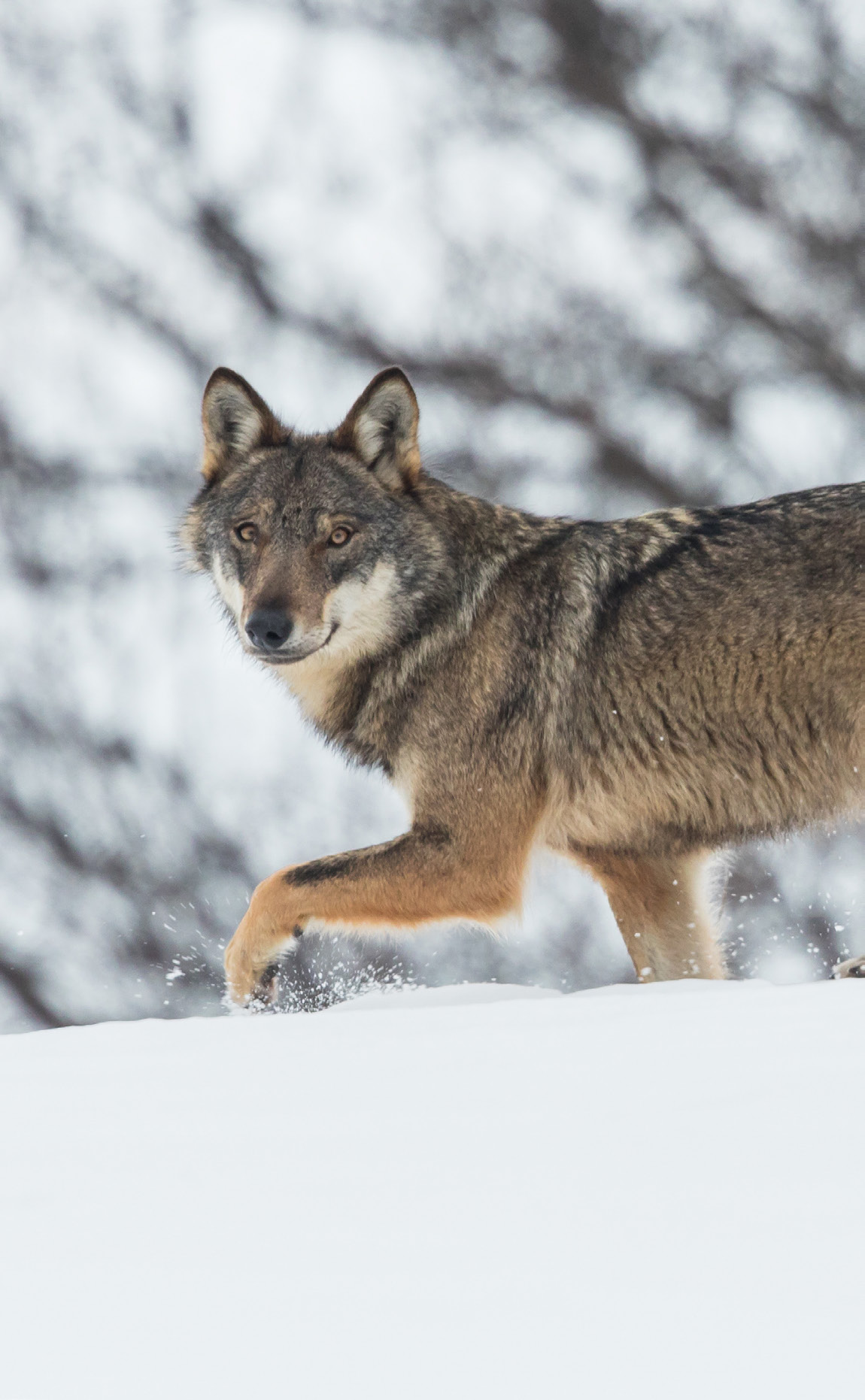
Apennine Wolf (Canis lupus italicus), Central Apennines.
Bruno D’Amicis / Rewilding Europe
Authorisation is issued by the Ministry after consulting the Advanced Institute for Environmental Protection and Research to assess factors such as whether the premises33:
- provide suitable and sufficient ventilation;
- have an appropriate droppings collection system;
- have isolation rooms for any animals under sanitary quarantine;
- have suitable washing and disinfection facilities.
Following authorisation, the Ministry reserves the right to carry out health checks or impose mandatory quarantine through the Local Health Service (Agenzia Sanitaria Locale – ASL).
4.2. Importations into the EU in accordance with the CITES Regulation
In conjunction with the requirements under the WHA, the CITES Regulation34 and the more restrictive EU implementing regulations set out additional rules for the importation of animals into the EU.35
The requirements set out in the CITES Regulation and in EU Regulations 338/97 differ depending on which annex the animal is listed in.36 Generally, wildlife may be introduced into the EU following completion of any necessary checks and presentation of an import permit issued by the receiving member state.
In Italy, import permits are issued by the Ministry of Foreign Affairs, after having verified the conditions set out in the CITES and EU Regulation and consulted the
CITES scientific commission.37 Import permits are issued within 30 days of completing the application (excluding the time necessary for the opinion of the national scientific commission and any consultations with foreign CITES bodies).
CITES also regulates the movement within the EU of a live specimen of species listed in the various Annexes to the Regulation. The exact requirements for authorisation and potential exceptions vary depending on which Annex the species is listed in.38
Further guidance on filling out the application for an import permit and costs is available on the Foreign Ministry website.
5. Considerations Relating to the Transport of Animals
5.1. Requirements for the protection of animals during transport
The Animal Protection Regulation39 (the “APR”) sets out rules for the transportation of live vertebrate animals within Italy, between EU member states or to non-EU countries where the transportation takes place in connection with an economic activity.40
Whether or not the requirements of the APR will apply during the transportation of animals for a reintroduction activity will depend on whether or not the project is considered to be an “economic activity”, which will be a question of fact. The type of entity which is responsible for the reintroduction project may impact this analysis. For example, a reintroduction project operating through a farming entity may acquire funding through economic activities and therefore may need to comply with the APR. In contrast, where a project is funded through private donations, it is less likely to be considered to be in connection with an economic activity.
However, the Italian government published an intergovernmental agreement concerning authorisation to transport living animals (the “ATA Agreement”)41, with the aim of establishing a nationwide standard as regards requirements and procedures for acquiring authorisation to transport live animals. The ATA requires that the provisions under Art. 3 of the APR (outlining the general conditions for transport) should be respected in all cases of transportation of live animals, regardless of the economic / non-economic purpose of the journey and the species and category of the animal/s being transported.
The APR and ATA Agreement together set out welfare requirements and obligations of the animal transporter which must be complied with, the detail of which is beyond the scope of this note. You must also comply with any applicable guidance issued by the Ministry of Health (such as specific guidance on the transport of cattle and guidance on live animal transportation during the summer months).
5.2. Biosecurity Considerations
The EU Animal Health Law sets out detailed biosecurity measures that you should consider in the context of transportation, importation, and reintroduction of wild animals.42
If you are transporting live animals as part of a reintroduction project, you will likely be considered to be an “operator” under the EU Animal Health Law and therefore be responsible for (i) the health of kept animals under your responsibility; (ii) prudent and responsible use of veterinary medicines; (iii) minimising the risk of the spread of diseases; (iv) good animal husbandry; (v) adopting appropriate biosecurity measures regarding kept animals and products under their responsibility, as well as for wild animals, where appropriate.43
You should keep track of animal health information, including results from laboratory tests collected as part of animal health monitoring and visits and have veterinarians record them on a new platform created by the Ministry of Health (classyfarm.it), managed by the Experimental Zooprophylactic Institute of the
Lombardy and Emilia Romagna regions (Istituto Zooprofilattico Sperimentale della Lombardia ed Emilia Romagna – IZSLER).
In addition, where animals are held in captivity as part of a reintroduction, prior registration of the holding establishment is required. This may be relevant, e.g., where animals need to be kept in quarantine prior to release or there is a period of soft release in captivity. You will need inform the authority of various details relating to the establishment and you may need to apply for approval from the Local Health Service (ASL) prior to commencing the project. Once approved, the establishment will be registered in the national database and the project may commence. The establishment may be subject to further inspections by the Local Health Service even after initial approval.
Depending on the type of establishment and activity, additional registration requirements may apply.
Identification and registration obligations concerning operators and transporters, activities, establishments, and animal information under the Animal Health Law will be implemented in Italy via an I&R system, which is currently being created.
In any case, operators will need to keep hard/ electronic copies of the relevant documents, as well as notify the competent authorities of any changes regarding their establishment or the health of the animals.
Endnotes
- Presidential Decree no. 357/1997, as amended by Amended by Presidential Decree no. 120/200
- Art. 2(1)(q)) of the Habitats Act.
- Article 5(2) of the Habitats Act provides for applications to be submitted by ‘proponents of spatial, urban and sector plans’, which are typically public entities (such as municipalities).
- The Council of Europe’s Convention on the Conservation of European Wildlife and Natural Habitats, adopted in Bern in 1979; the Bonn Convention on the Conservation of Migratory Species of Wild Animals of 1979; the Convention on Biological Diversity of 1992 and the Specially Protected Areas Regional Activity Centre’s Biological Diversity Protocol (the Mediterranean’s main tool for implementing the 1992 Convention on Biological Diversity); the EU’’s Bird Directive (2009/147/EC); and the EU’s Habitat Directive (92/43/EEC).
- The guidelines are available online.
- The Ministry of the Environment’s and the Wildlife Institute’s Guidelines on Wildlife Reintroductions (the “Reintroduction Guidelines”), available here.
- On an international level, the IUCN Guidelines represent a complementary legal tool for practitioners. More on the IUCN Guidelines below.
- Art. 2(1) (o-quinquies)(o-sexies) of the Habitats Act. There is no fixed list of what animals are considered native to Italy. According to these general definitions provided in the Habitats Act, it follows that “native” species includes animals which are historically native to Italy but are no longer present and it appears an animal will be considered native if it has historically existed anywhere in Italy. Note, however, that since reintroduction programmes are approved on a regional level considering potential impact on the local environment and ecosystem, the fact that a species may be considered native to Italy in general does not mean that its reintroduction can take place indiscriminately anywhere in Italy.
- See Article 5(2) of the Habitats Act.
- The criteria is listed under Annex 1 to the Ministry of the Environment Decree of 2 April 2020, available here. More information on “strict protection” below.
- Art. 12 of the Habitats Act.
- These are cases in which projects must be implemented for imperative reasons of compulsory public interest.
- Molise Regional Council Resolution No. 304 of 13 September 2021.
- Lazio Regional Council Resolution No. 938 of 27 October 2022.
- Abruzzo Regional Council Resolution No. 119/2022.
- Art. 2 of the Ministry of the Environment Decree of 2 April 2020.
- The Ministry of the Environment Decree of 2 April 2020.
- Art. 3 Decree of 2 April 2020; see also Annex 2 and 3 to the Decree.
- These animals are listed in Annex D to the Habitats Act. This list is available here.
- Art. 8 of the Habitats Act.
- Art. 11 of the Habitats Act.
- Art. 9 of the Habitats Act.
- E.g. Regional Law no. 45/1979 concerning the protection of flora in Abruzzo, Regional Law no. 61/1974 concerning the protection of spontaneous flora in Lazio, Regional Law no. 9/1999 concerning the protection of endangered and native flora in Molise and Regional Law no. 7/1985 for the preservation of the flora of Marche.
- Required under Art. 5 of the Habitats Act.
- Which means, according to the Habitats Directive, “a site of Community importance designated by the Member States through a statutory, administrative and/or contractual act where the necessary conservation measures are applied for the maintenance or restoration, at a favourable conservation status, of the natural habitats and /or the populations of the species for which the site is designated”.
- Which means, according to the Habitats Directive, “a site which, in the biogeographical region or regions to which is belongs, contributes significantly to the maintenance or restoration at a favourable conservation status of a natural habitat type in Annex I or of a species in Annex II and may also contribute significantly to the coherence of Natura 2000 referred to in Article 3, and / or contributes significantly to the maintenance of biological diversity within the biogeographic region or regions concerned”.
- The competent authority is the Ministry of the Environment if the site is of national relevance and the Region if the site is of regional relevance.
- EU Regulation 338/97 EEC.
- Practitoiners can check this information on https://speciesplus.net/.
- Art. 20(1) of Law no. 157 of 11 February 1992 (the Hunting Act).
- Art. 20(2) of the Hunting Act. See the Ministry website for further details, as well as to download the necessary forms to obtain government authorisation.
- Law no. 157 of 11 February 1992.
- Art. 20, par. 3 of the WHA. Note that in the case of importation of bird species that are not native to EU territory, the EU Commission must also be consulted prior to issuing authorisation.
- The CITES Regulation addresses the protection of species of wild fauna and flora in the EU by regulating import, export, re-export, and trade. The CITES Regulation is directly applicable in EU member states, meaning that no national or local laws are required for it to be effective in Italy. Therefore, the provisions in the CITES Regulation will have a direct impact on rewilding projects in Italy.
- EU Regulations 338/97 on the protection and trade of species of wild fauna and flora is particularly relevant.
- Art. 3 of the CITES Regulation.
- Art. 4 of the CITES Regulation.
- Art. 9 of the CITES Regulation.
- Regulation (EC) 1/2005 of 22 December 2004.
- APR, Article 1(5).
- Agreement between the Italian state, regions, and autonomous provinces, 20 March 2008, no. 114/Csr, with attached forms to apply for each type of authorisation.
- EU Regulation 2016/429 of 9 March 2016 on transmittable animal diseases and its non-legislative supplementing acts. Provisions implementing the Animal Health Law in Italy are found under Legislative Decree nos. 134, 135 and 136 of 5 August 2022.
- Art. 10 of the Animal Health Law. Biosecurity responsibilities in relating to wild animals are specified under Art. 70 of the Animal Health Law.


Contact Us

Elsie Blackshaw-Crosby