


Rewilding in Poland
Obtaining Land and Legal Mechanisms for Protection
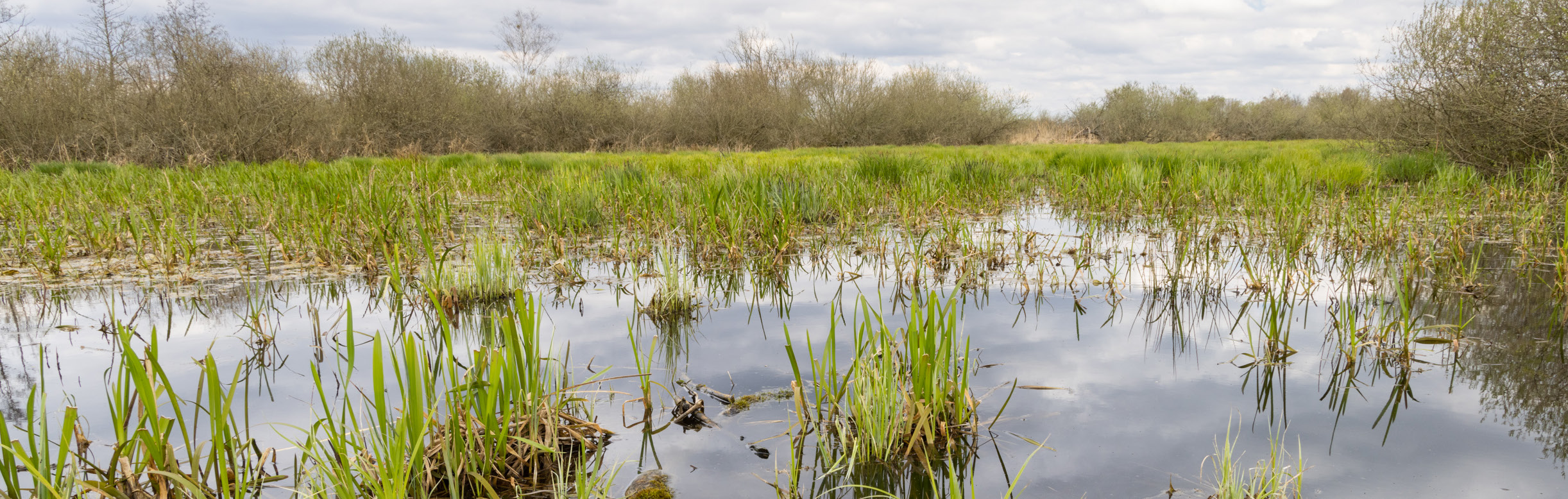
Former peat bog extraction site turned into wet meadow, Boleslawice, West-Pomerania.
Florian Möllers / Rewilding Europe
Core Topics
- Key issues to consider when securing land for rewilding
- The 2016 Agriculture Reform and its impact of land transactions
- The different legal structures available to obtain / secure land for rewilding
- Grazing rights
Key Takeaways
1
The 2016 Agriculture Reform limits the use of agricultural land, making it harder to change its use for any other purpose, including rewilding.
2
When securing land for rewilding, pay close attention to the length of tenure and how to protect rewilding gains in the long term.
3
Be aware of provisions in leases (or associated documents) which require the land to be returned to its original state at the end of the tenure. You should seek to remove or amend such terms.
4
Where feasible, ownership of land offers the most security and the best long-term protection of the ecological gains achieved by rewilding.
5
Usufructs are less common than leases and tenancies but provide much greater security and long-term protection and should be considered when securing land for rewilding purposes, where appropriate.