

Rewilding in Portugal
Wildlife Reintroductions
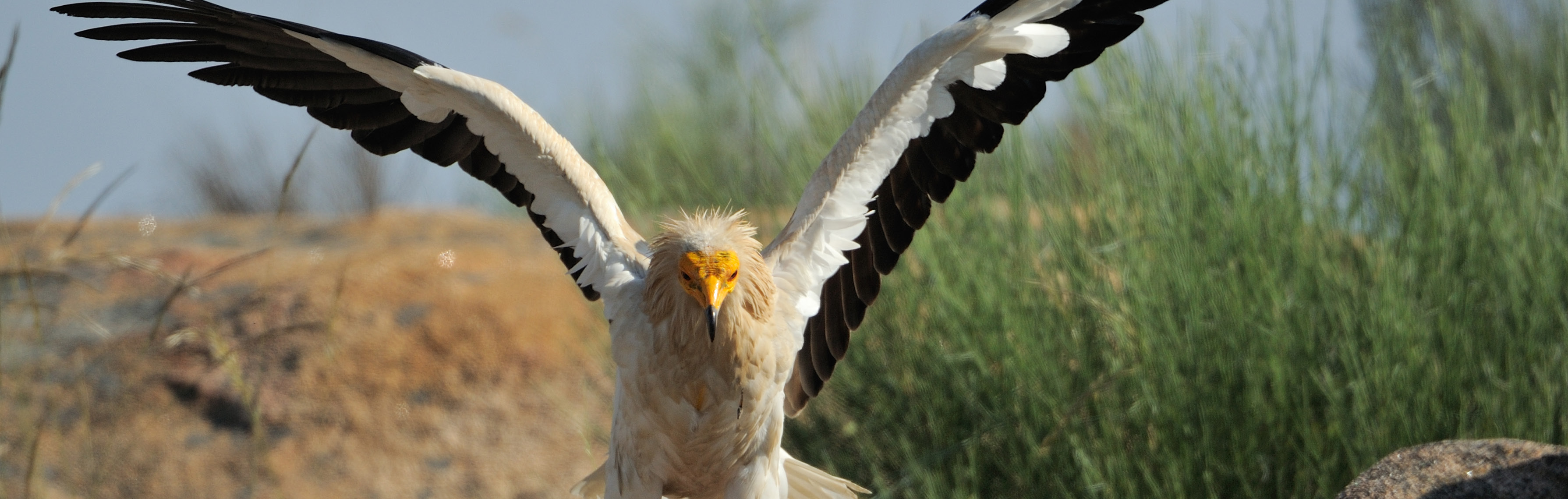
Egyptian vulture, Côa valley.
Staffan Widstrand / Rewilding Europe
Core Topics
- General overview of the legal framework applicable to reintroductions of wild land animals
- Special rules to consider in relation to species, location, import, transport, and well-being of the animals
Key Takeaways
Table of Contents
3.
4.
5.
1. What is the general legal regime applicable to reintroductions or reinforcement of species?
The legal framework for wildlife reintroductions in Portugal is scattered across different pieces of national legislation and is heavily influenced by international and EU law, particularly the Bonn1 and Bern2 Conventions and the EU Habitats Directive.3
The key national legal frameworks applicable to reintroductions are:
- The Protection and Conservation of Wild Flora and Fauna Regime (Proteção e Conservação da Flora e Fauna Selvagens), which implements the Bonn and Bern Conventions in Portugal. This regime sets out the legal framework applicable to the protection and conservation of wild flora and fauna and of natural habitats of species listed in the Bern and Bonn Conventions;4
- The Natural Habitats Regime (Conservação dos Habitats Naturais) which incorporates the EU Habitats Directive into Portuguese law;5
- The Nature and Biodiversity Conservation Regime (Regime Jurídico da Conservação da Natureza e da Biodiversidade), which sets out the national network of protected areas;6
- The Alien Species Regime (Regime Jurídico das Espécies Exóticas da Flora e da Fauna) which includes the execution of EC Regulation 1143/2014, establishing the legal framework for the control, possession, introduction into the wild and restocking of exotic species of flora and fauna;7
- The national enforcement measures of the Convention on International Trade in Endangered Species of Wild Fauna and Flora (Execução da Convenção sobre o Comércio Internacional das Espécies de Fauna e Flora Selvagens), also known as the “Washington Convention” or “CITES”. 8
2. Bringing a reintroduction or reinforcement plan to life: from theory to practice
- the animal species to be released is:
- native to Portugal;
- not classified as a protected species under any general or specific legislation; and
- not a game species;
and
- the location of the release is:
- not a protected habitat; and
- not governed by any specific planning and permitted uses regulations;
THEN, in theory, no licensing requirements should apply to the reintroduction or reinforcement of the species in question in the wild. There are no provisions in the law stating otherwise.
HOWEVER, it is extremely hard to find a species in need of reintroduction or reinforcement that is not covered by some special legal rules. The best approach is to assume that there is a procedure to follow and to make efforts to understand which one is applicable to your situation.
It is also important to be aware that the Instituto de Conservação da Natureza e Florestas (“ICNF”) is the public body in charge of all legal matters relating to reintroductions and reinforcements in Portugal. The ICNF will be relevant whenever you want to carry out a reintroduction or reinforcement and it is highly unlikely that you will succeed in carrying out a reintroduction or reinforcement programme without some level of engagement with the ICNF.
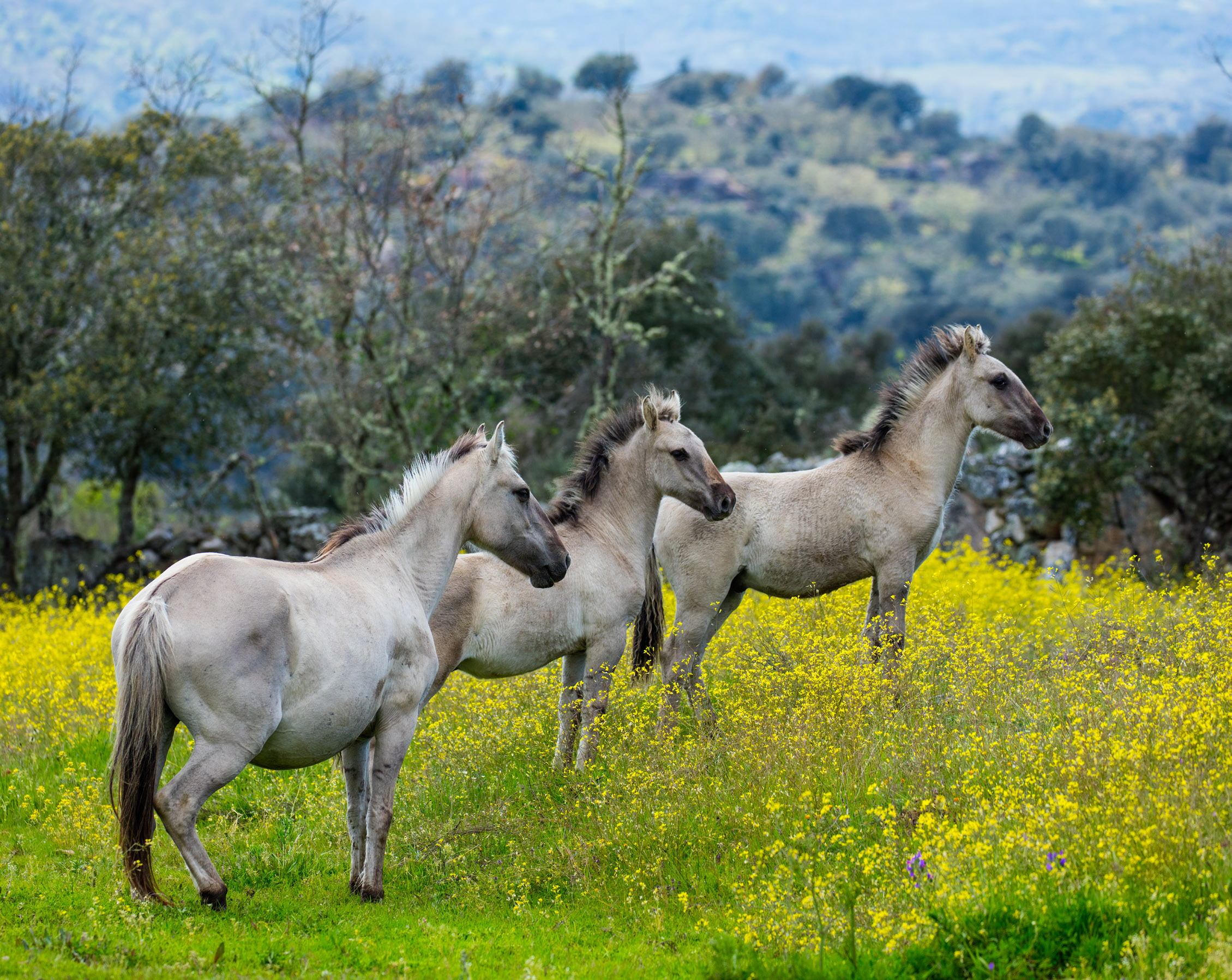
Sorraia horses, Greater Côa Valley.
Juan Carlos Muñoz / Rewilding Europe
3. Considerations relating to the species to be reintroduced or reinforced
3.1. Are the species native to the area in which they will be released?
If the species is native
The legal framework does not provide a single definition of native species that is generally applicable for all legal purposes.
However, if you combine the definitions found in different provisions, a native species may be defined as a species having its origins in a certain national territory or naturally found in that territory, with selfsustaining populations, either today or in the past in historic times, excluding any exotic hybrids.9
If the species to be released fits this definition, additional questions must be answered to assess whether a regulatory licensing regime (such as those for protected species or releases into classified areas) applies to the proposed release.
Example
Is the beaver a native species to Portugal?
There is evidence that the beaver populated Portugal in the 15th century and that, in the past in “historic times”, it maintained a self-sustaining population in Portugal. As such, under the legal definition of “native species” we can assume that the beaver is a native species to Portugal, despite the fact that it has been absent for a long time.
It should be noted that the beaver is a Protected Species under the Natural Habitats Regime. See section 3.2 below for what this means in practice.
If the species is not native (alien species)
If the species does not fit the above definition, then the rules applicable to the release of an animal into the wild will be the ones established by the Alien Species Regime and the release will be classified as a species introduction.
A distinction needs to be made between non-native and invasive species. Non-native species are any living specimen of a species or subspecies which is introduced outside of its natural distribution area. Invasive species are defined as alien species whose introduction and spread in the wild threatens or has an adverse impact on biological diversity and associated ecosystem services.10
Although it is generally understood that non-native species are detrimental to the restoration of fully functioning ecosystems, there might be value in introducing non-native species as proxies for now extinct native species. In contrast, the potential harmful effects of invasive species on the health of native populations and ecosystems mean they are far more likely to be irrelevant for rewilding projects.
The introduction of both non-native and invasive species (i.e., any species not considered native to Portugal) is highly regulated11 and detailed consideration of the applicable legal rules is required.
In summary, if you plan to introduce non-native and non-invasive species into the wild you will need an authorisation from the ICNF.12 In order to obtain this authorisation, you must comply with all of the following obligations:13
- you have a licence to keep or breed non-native species, valid for a longer period than the expected timeline for the introduction into the wild;
- the species is excluded from the National List of Invasive Species;
- there is no native species that can achieve the same purpose;
- a risk assessment has been undertaken, the outcome of which was favourable to the introduction of such species; and
- if the introduction is to take place in a classified area, you need to prove that the introduction is the only effective action for nature conservation.
The risk assessment listed above must be undertaken by an independent entity and must consider all the elements listed in the applicable rules.14
Lastly, you should note that the species you want to introduce may be subject to quarantine if the health authorities decide it is necessary.15
3.2. Legal status of the species: is the species a protected species?
The Natural Habitats Regime16 and the Protection and Conservation of Wild Flora and Fauna Regime17 identify species that are subject to special protection status in Portugal. There is also special legislation and regulation applicable to the Iberian Lynx, the Iberian Wolf, and protected maritime mammals.18
Please note that even if the species is not protected, you still need to assess whether the species is classified as game, in which case hunting legislation will apply (see Rewilding in Portugal: Hunting).19
The Nature and Biodiversity Conservation Regime20 requires the Portuguese State to create and legally enact an Inventory of Classified Natural Values (Cadastro Nacional dos Valores Naturais Classificados).
The Inventory consists of a database of protected species of flora and fauna and classified natural values in Portugal which are identified as being particularly threatened, in accordance with the criteria defined by IUCN (known as the Red Lists). Once legally approved, the Inventory will be legally binding for the purposes
of determining the legal status of any species found in Portugal.21
This Inventory has not yet been legally approved but an initial version of it is already available, and it may be useful tool for anyone seeking to implement a reintroduction project. It is important to check the ICNF website to keep up to date with any developments.
Protected species under the Natural Habitats Regime
Reintroducing species protected under the Natural Habitats Regime in Portugal can be a complex process that requires careful planning and coordination with the relevant authorities. For a list of all protected species, please refer to the Inventory of Classified Natural Values referenced above.
The protection of protected species and habitats should always take precedence over other interests. As a result, certain acts are not permitted. However, some of these prohibited acts may need to be carried out in preparing a reintroduction or reinforcement programme. The following practices are generally prohibited:22
- capturing, killing, or holding these protected species, regardless of the method used;
- significantly disturbing protected species, particularly during the seasons of breeding, hibernation, or migration;
- destroying, damaging, collecting or holding the eggs and nests of a protected species (even if empty);
- deteriorating or destroying breeding or resting sites; and
- exhibiting these protected species for commercial purposes, selling, offering, changing, swapping, transporting for sale, or trading purposes and purchasing species captured in the wild, either alive or deceased, except if the species were acquired prior to the enactment of Decree-Law no. 75/1991, dated 14 February.
If you need to carry out any of these acts (e.g., if you plan to capture the animals in the wild for release in the new area), you will need a licence from the ICNF granting an exception to the general prohibition under Article 20.23 Article 20 provides for:
- the permitting, as an exception, of acts and activities otherwise prohibited;
- subject to a licence from the ICNF;
- provided there is no satisfactory alternative, and the activity will not jeopardise the maintenance of the populations of the species in question in a favourable state of conservation, in their natural distribution area;
- when the act or activity aims to achieve one of the following purposes:
- protect wild flora and fauna, and preserve natural habitats;
- obtain beneficial consequences of primary importance for the environment; or
- allow the repopulation and reintroduction of species.
This licence must be requested from the ICNF with the information that justifies the use of the exception and evidence of: (i) the lack of a satisfactory alternative; (ii) maintenance of the population in a favourable state of conservation; (iii) the absence of harm caused in their natural distribution area; and (iv) a reintroduction or reinforcement purpose.24
Once you submit the licensing request, the ICNF must decide whether to issue the requested licence within 45 working days of the date of request. If there is no decision within that period, the request is considered rejected.25/26
If approved, the licence will include important information including: (i) its aims and purposes; (ii) a reference to the species in question; (iii) the term of the licence, which may not exceed one year; (iv) the areas encompassed by the licence; (v) whenever possible, the number of specimens of each species; (vi) the authorised methods and equipment;
and (vii) any other specifications that may be considered necessary.27
If you obtain a licence to carry out preparatory acts for the reintroduction, you will need to observe the following obligations:28
- you must be ready to show the licence whenever ICNF employees or other inspection agents so request; and
- within 30 days of the end of the licence period, you must send a report to the ICNF containing the number of specimens of each species effectively captured or killed, the places of capture or killing, the methods used, and the number of nests or eggs removed under the licence issued.
In sum, if you are planning a reintroduction or reinforcement of a species protected under the Natural Habitats Regime which requires you to carry any of the prohibited acts listed above, you will first need to request a licence from the ICNF.
Finally, it may be relevant for you to know that a licence is not required from the ICNF if:29
- the protected species are bred in captivity; or
- the protected species are game birds and hunting laws permit such acts.
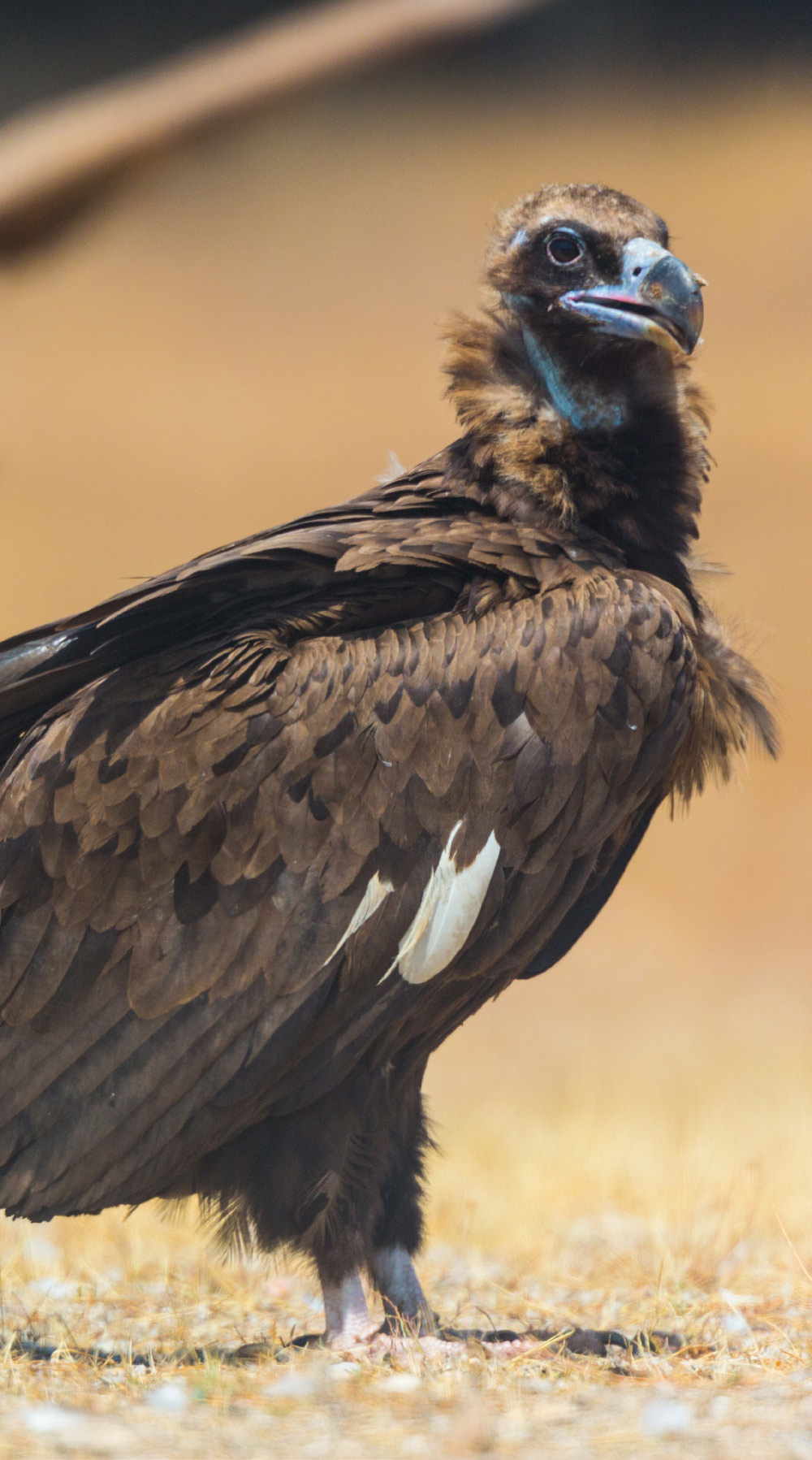
Cinereous vulture (Aegypius monachus), Greater Côa
Valley. Juan Carlos Muñoz/Rewilding Europe
Protected Species under the Protection and Conservation of Wild Flora and Fauna Regime30
Like the Natural Habitats Regime described above, a number of species native to Portugal are also protected under Conservation of Wild Flora and Fauna Regime which applies to the species protected under the Bonn and Bern Conventions.
This regime also contains a list of prohibited acts, which may be authorised in exceptional circumstances. As in the Natural Habitats Regime described above, you may need to carry out one of these acts as part of a reintroduction or reinforcement plan.
Those acts are:31
- capture or killing of the specimens;
- holding of the specimens;
- sale, offer and holding for sale, purchase and proposal to purchase, public exhibition, or transport of the specimens;
- damage to or destruction of their habitats;
- significant disturbance of the specimens, namely during breeding, nurturing and hibernation periods; and
- destruction or collection from the wild of its eggs (even if empty).
In the same fashion, if you need to carry any of these acts (e.g., if you plan to capture the animals in the
wild for release in the new area), you will need a licence from the ICNF granting an exception to this general prohibition.
The rules under the Protection and Conservation of Wild Flora and Fauna Regime are similar to those of the Natural Habitats Regime described above and so the considerations in that section should be applied here too.32
Once you submit the licensing request, the ICNF must decide on the request within 90 working days of the date of request.
Unlike the Natural Habitats Regime, there is no express provision about the result of the application if there is no decision within that period. Therefore, if you have not heard back after the 90 days, you should request further information from the ICNF.33
The same obligations as for Natural Habitats apply when you get the licence to carry out preparatory acts for any reintroduction.34
Finally, it may be relevant for you to know that the prohibition of acts does not apply to specimens when you prove that:35
- the specimens were bred in captivity;
- the specimens were captured before being included in the lists annexed to the Bonn and Bern Conventions;
- the specimens entered the country in accordance with the protection regime from the country of origin; or
- the specimens are considered game and such acts are permitted under hunting laws.
In these cases, a licence is not required from the INCF.
Furthermore, there are two additional obligations that are important for you to be aware of:
- Holders of specimens of species listed in the annexes to the Bonn and Bern Conventions must register the specimens. Proof of the origin of the specimens, the date of capture or slaughter in their natural environment or compliance with the rules for the protection of the species is the responsibility of the holder thereof.36
- For all specimens held of species listed in annexes to the Bonn and Bern Conventions, the use of marking is mandatory, whenever technically possible. This is done with microchips, rings, earrings, tattoos, or other individual marking methods, to be carried out under the supervision of the ICNF. Such marking is considered not to be technically possible when, due to the characteristics of the species, there is no technology that allows marking without destruction or serious damage to the animal or even when the marking may harm its health or well-being.37
4. Considerations relating to the release site
When planning to release animals into the wild as part of a reintroduction or reinforcement programme, it is important to consider:
- Location of release: what geographical area are the animals being reintroduced to?
- Legal status of the land: what is the status of the land on which the animals will be released? Is it a classified area and/or subject to specific land use or planning permissions requirements?
As described in Rewilding in Portugal: Developing Land, Portugal is governed by different, complementary planning instruments that define the permitted uses in any given area.
As such, it is important to confirm whether special rules apply to animal reintroduction and reinforcement in the area where the animals are to be released. Here, where there is a classified area status, PROFs and PGFs are likely to be particularly relevant (for more information, see Rewilding in Portugal: Developing Land and Rewilding in Portugal: Classified Areas).
In addition to the protected species licences above, you may have to obtain additional licences (for both protected and non-protected native species) where the release is into a classified area or where the planning provisions applicable to the relevant area specify that
a licence is required for such releases. These additional licences are described in this section.
With regards to the introduction of non-native species in classified areas, there are some additional considerations you need to take into account that are mentioned below.
4.1. Reintroductions in ZPEs and in ZECs
The Natura 2000 Network was established in Portugal under the Natural Habitats Regime.38 It created a classification of protected territories made up of Special Protection Areas (“ZPEs”) and Special Areas of Conservation (“ZECs”). You can find more information in Rewilding in Portugal: Classified Areas, and you can check the location of these areas on the ICNF website or here.
After confirming that the release site is within a ZPE or ZEC, you need to check what obligations apply regarding reintroduction or reinforcement of species. You will need to consult not only the Natural Habitats Regime, but also the applicable planning instruments governing these areas (for these, please refer to Rewilding in Portugal: Classified Areas).
If you are planning to reintroduce or reinforce animals on land within a ZPE or ZEC, you will generally require a favourable opinion from the ICNF (see below).
Bear in mind that planning programmes are currently under review39 and until this review is finalised, any reintroduction of native species in ZPEs and ZECs may be subject to a prior favourable opinion to be issued by ICNF (or by the competent Commission for the Regional Coordination and Development - “Comissão de Coordenação e Desenvolvimento Regional”).40
Finally, it should also be borne in mind that if the reintroduction involves any of the activities that are normally prohibited for protected species, it will be necessary to obtain a licence issued by ICNF that exceptionally authorises the practice of these activities, as described in Article 20 of the Natural Habitats Regime (for these, please refer to 3.2).
Favourable opinion from the ICNF
In sum, if you want to release animals (regardless of the status of such animals) within a ZPE or ZEC, you will first need an opinion from the ICNF favourable to your plan.41
This opinion should be issued within 45 working days of the date of its request, and the absence of an opinion within that period is equivalent to the issuance of a favourable opinion.42
The 45-day window may be suspended when an environmental assessment takes place.43 This may happen when the ICNF considers that an action, plan,
or project has the potential to significantly and negatively affect the integrity of the protected area in question.
In practice, this means that where the reintroduction of native species is capable of having a significant negative impact on the integrity of a ZPE or a ZEC, the ICNF may determine that the release for reintroduction purposes is going to be subject to a prior environmental assessment. This assessment is the EIncA procedure (see detailed information in Rewilding in Portugal: Classified Areas).44
In this case, the 45-business day period is suspended until a decision on the environmental assessment is reached.
For the particular case of reintroductions and the role of the EIncA procedure, please note that if the EIncA gives a negative opinion on the reintroduction plan because it considers that a protected habitat or a protected species of a ZPE or a ZEC is affected, it may only be overridden on the following three grounds:45
- public health or safety;
- the primary beneficial consequences for the environment; and
- other imperative reasons of overriding public interest, subject to the prior opinion of the European Commission.
Finally, if this deviation from a negative EIncA opinion is granted, compensatory measures towards the protection of the coherence of Natura 2000 Network need to be approved by the ICNF and communicated to the European Commission.46
Introduction of non-native species in classified areas
The Natural Habitats Regime also contemplates the possibility of introducing alien species into classified areas and refers to the Alien Species Regime (see section 1) as the “applicable regime.”47
Under the applicable framework, you will need to request authorisation from the ICNF for any introduction of non-native species placed into classified areas and you need to prove that the introduction is the only effective action for nature conservation. Note that this is in addition to the other cumulative requirements you need to meet to make such request (see section 3.1 above - If the species is not native).
Beyond this requirement, neither the regime dealing with the introduction of invasive species nor the one for native species provide any other rules applicable to the introduction of non-native species into classified areas.
HOWEVER, it is highly recommended that you do not rely wholly on this assumption. It is reasonable to assume that the rules applicable to native species are a minimum standard that you should follow. It would be somewhat illogical to assume that more relaxed rules apply to non-native species than to native species, particularly in classified areas.
If you are planning to introduce non-native species in classified areas, beyond following all requirements laid down by the applicable framework, you are strongly advised to contact the ICNF and get clarification on this matter and to prepare to, at least, comply with the rules applicable to native species.
4.2. Other protected areas
Apart from the Natura 2000 Network, there are other sites that have been granted protected status and form part of the National Network of Protected Areas (“NRAP”). In these areas, the conservation of nature and biodiversity is achieved by implementing “active conservation actions”. These are a set of measures and intervention actions aimed at the direct management of species, habitats, ecosystems, and geosites. For an explanation of these other protected areas, please refer to Rewilding in Portugal: Classified Areas.
If the release is to take place outside the Natura 2000 Network, but still on land with protected status, there is a different set of rules you need to be aware of.
The first step you need to take is to check the special plans for the protected area, as well as other land management instruments that may be applicable. In terms of safeguarding natural resources and values, special plans for the protected areas establish the permitted actions, the prohibited actions, and any activities to which certain conditions apply.48
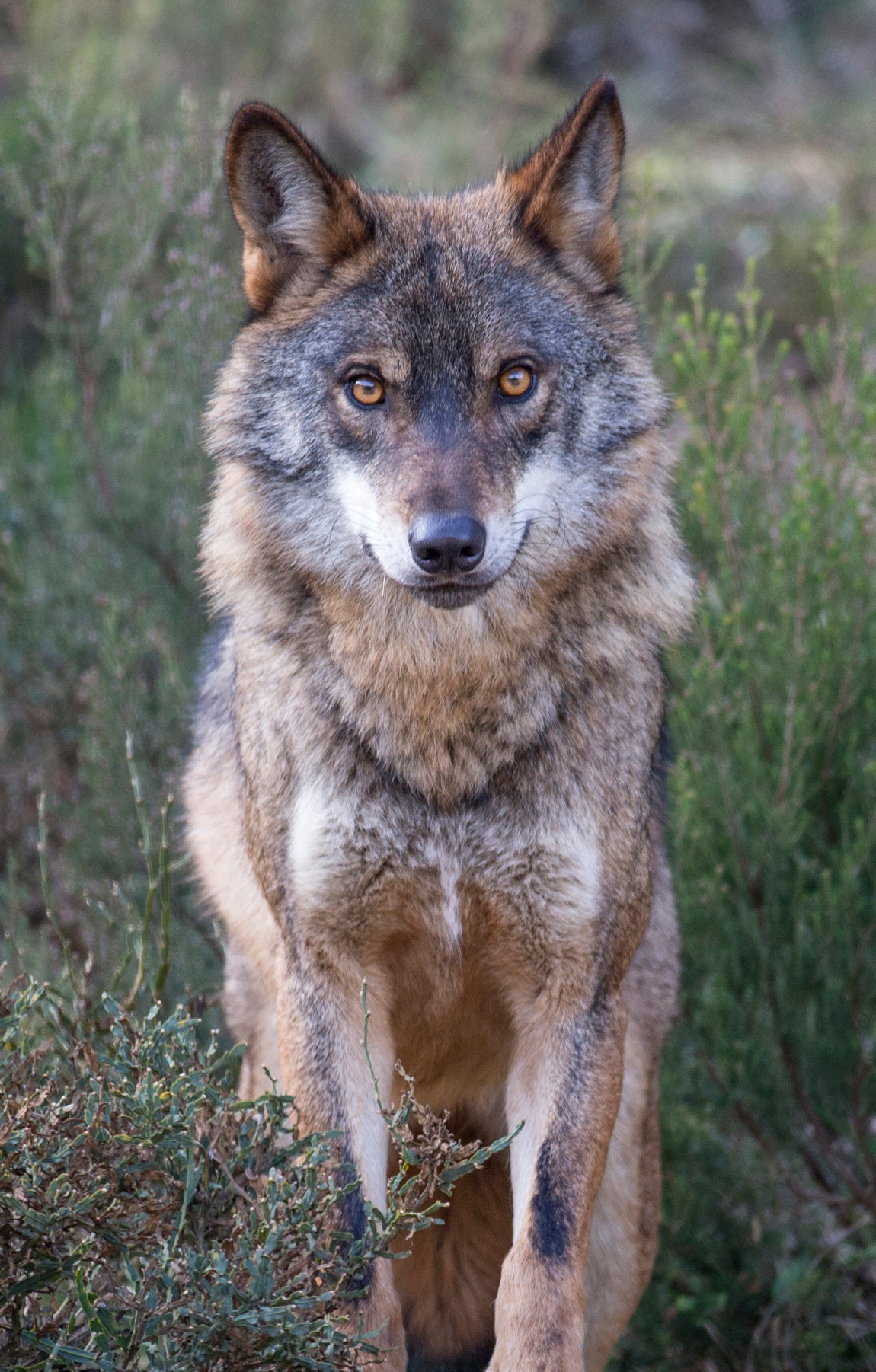
Iberian wolf, Greater Côa Valley.
Daniel Allen / Rewilding Europe
Next, you need to see if reintroductions or reinforcements are expressly mentioned in the special plan or if it only refers to “active conservation and support actions”.49 Active conservation actions are intervention actions aimed at the direct management of species, habitats, and ecosystems with a view to their maintenance or recovery to a favourable state of conservation.
If reintroductions or reinforcements are included in the special plan for the protected area as conditioned activities, a prior binding opinion or authorisation from ICNF may be required.50
If this is the case, you need to request the prior opinion or authorisation and the ICNF needs to issue it within 30 days.
Note that the absence of authorisation or opinion within the 30-day period is equivalent to the issuance of authorisation or favourable opinion, and the opinions or authorisations expire within two years.51
A prior EIncA procedure may also be required here when impacts on the natural heritage are foreseeable and the special plan for the protected area makes certain actions or projects dependent on it.52 Bear in mind that the need for an EIncA procedure is independent from the need of a prior binding opinion or authorisation. For details of the EIncA procedure, please refer to Rewilding in Portugal: Classified Areas.
The special plans for protected areas may establish that the ICNF can authorise certain activities, actions, or projects which are generally not permitted. Where an authorisation is granted, the ICNF must expressly establish the conditions under which the authorisation is granted. This granting of an exception, in the form of an ICNF authorisation, is always conditional on the absence of significant negative impacts in terms of protection and safeguarding of natural resources.53
It is important to understand that undertaking any actions or activities which are prohibited by the special plans of protected areas (which may include reintroduction of indigenous species of wild fauna or flora) is a serious environmental offence unless they are authorised.54
Example
An individual wants to use their land to help expand the range of wolves which exist in surrounding areas. They know of a den that a wolf pack has on the border between the pack’s current territory and new territory which the wolves have been exploring and attempting to establish in the last few months. The individual’s land is in this new territory. Could they use the land to increase populations of wolves’ natural prey (wild horses, roe deer) to support the wolves to establish themselves in the new territory, thus expanding the range of wolves?
Natural distributions are not subject to any prior authorisation as they are outside human control and so no authorisations or prior permissions would be required in relation to supporting the wolves in establishing new territory.
The practitioner could reinforce the population of natural prey:
- Wild horses are, for all legal purposes, classified as productive animals. Consequently, population reinforcements or reintroductions in any given area must follow the legal requirements applicable to livestock.
- Roe Deer are game and, as such, any population reinforcement should follow the legal requirements applicable under the hunting legal framework (see Rewilding in Portugal: Hunting). In particular, the relevant release area should be classified as a Hunting Zone.
5. Considerations where animals are being imported, held, and transported for release
If you need to import animals from other countries for the purpose of a reintroduction project, you need to ensure that any cross-border legal obligations are duly complied with.
In any case of cross-border movement where animals are transported across jurisdictional boundaries, you need to make sure that the transportation complies with the regulations in all affected jurisdictions before release. The rules on import and export of animals are complex and specialist advice should be obtained to ensure that any import of animals for use in reintroductions is lawful.
The international movement of animals is regulated by CITES. However, within the EU, CITES is implemented by the EU Wildlife Trade Regulations which in some instances impose more rigorous obligations (e.g., they include species which are not listed in CITES and they list species in different annexes).55 The general rule, however, is that any movement of specimens of any species on CITES Appendix I, II, or III or EU Annexes must comply with CITES requirements. This note considers the EU Regulations because they offer the highest standard and are most likely to apply.
5.1. Import of specimens
In Portugal, there are two sets of rules, depending on the types of species:56
- Annex A and B species: you need to comply with the conditions set out in the EU Regulations and you must present an import licence to the customs authorities before import. This licence is only valid if accompanied by a valid export licence from the country of origin.57
- Annex C and D species: you need to comply with the conditions set out in the EU Regulations and you must present an import notice and export licence to the customs authorities before import, as well as a re-export certificate or origin certificate for species in Annex C or receipt / evidence of purchase for species in Annex D.58
In addition,
- For import licences for species in Annex A, you must also prove that the import has no commercial purposes. You will also need to present evidence that the accommodation is adequate and show the export licence or re-export certificate.
- For species in Annex B, you need to present evidence that the accommodation is adequate and show the export licence or re-export certificate.
- You, as the importer, need to notify the administrative authority that issued the import licence and the customs office of the day and time expected for the animals’ arrival, at least 24 hours in advance or, in the case of importation from the sea, 48 hours in advance.59
If you want your import licence to be accepted, make sure you have all the necessary paperwork in order, especially any evidence that the specimens were lawfully obtained.60
The ICNF will conclude the preliminary assessment within 5 days of the date of the request. This preliminary assessment can go one of four possible ways:61
- it accepts the request subject to opinions being received from other relevant national authorities (Scientific Group and the Monitoring Group) and contacts them to request their opinion;
- it accepts the request and contacts the respective authorities of the countries involved, notifying you of the matter;
- it determines that the request needs to be improved to be accepted, notifying you to do so within 10 days; or
- it issues a preliminary rejection and notifies you.
With the exception of the preliminary rejection, a decision on issuing the licence will be made within 30 working days after feedback is received from the national authorities. The foreign national authorities
have 15 working days to issue an opinion, after which they are considered to be in favour of the request. If they are contacted but do not follow-up with 90 working days, the licence request is deemed to be rejected.62
Import licences automatically expire 12 months after being issued.63
5.2. Holding of specimens
The general principle is that holding a specimen of any species listed in any of the Annexes in violation of the EU Regulations is forbidden.64
In order to overcome this general prohibition, the holding of species in Annex A, B, and C requires an EU certificate, in addition to the import documentation.65
The EU certificate is issued by the management authority of the EU Member State where the specimen is located and can only be issued under specific circumstances.66 Three such circumstances may be relevant for rewilding purposes if the specimens are: (i) intended for breeding or propagation purposes from which conservation benefits will accrue to the species concerned; (ii) intended for research or education aimed at the preservation or conservation of the
species; or (iii) originate in a Member State and were lawfully taken from the wild;
You will also need to register the specimens in the CITES National Register.67 There are additional obligations relating to the holding of specimens that you should consult and ensure they are complied with.68
5.3. Transport of specimens
It is likely that you will need to transport the animals you want to release into the wild. In both national and cross-border transport, you need to make sure you make the necessary arrangements to mitigate the risk of injuries, diseases, or mistreatment. You also need to abide by the EU legislation on animal welfare during transport.69
You can find more detailed information and practical advice on the website of the Directorate-General for Food and Veterinary Affairs (“DGAV”).
If animals are to be transported by aeroplane, you need to consult and observe the rules on the matter, as adopted by IATA.70
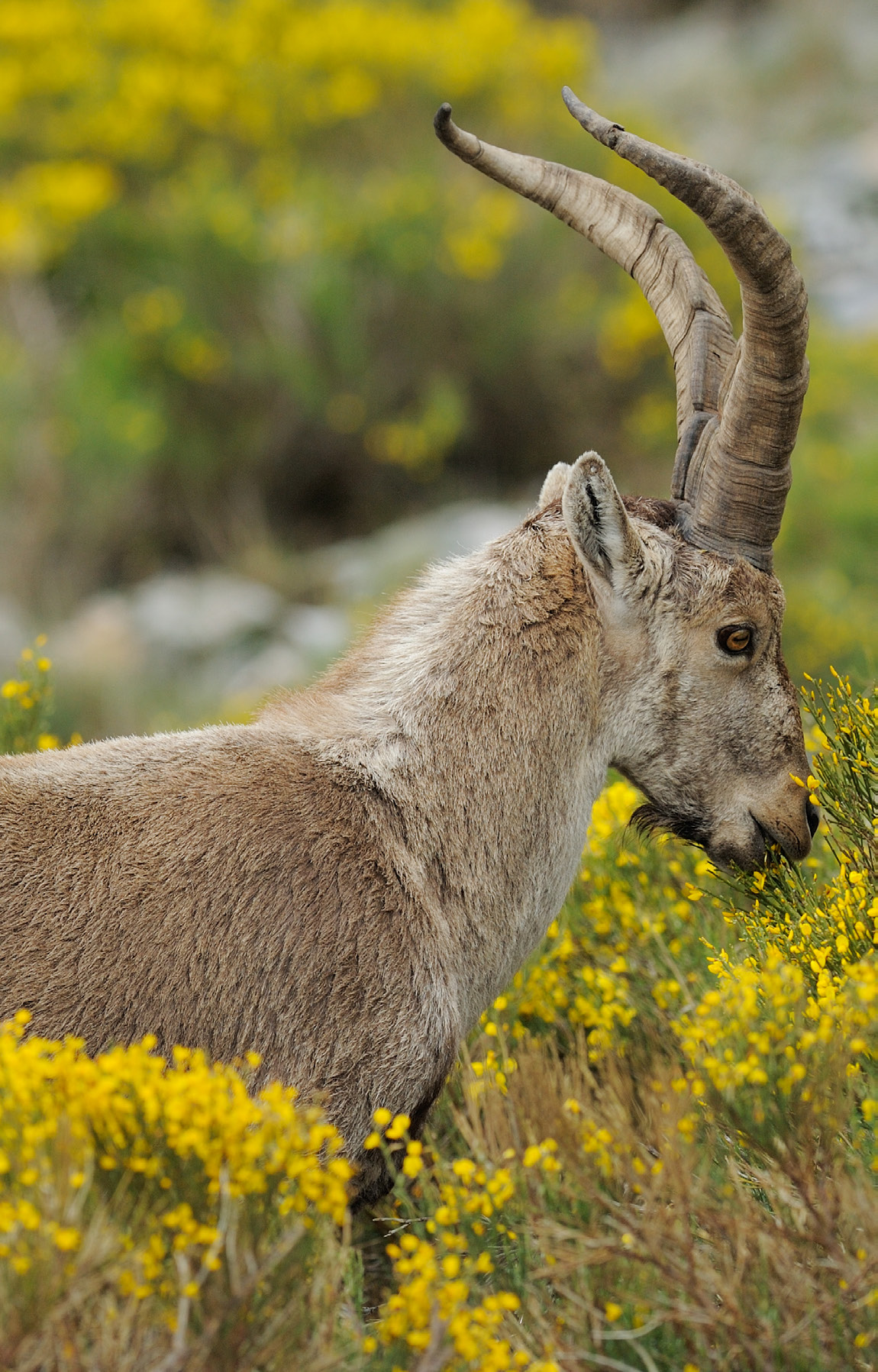
Iberian ibex, protected species in Portugal
Staffan Widstrand / Rewilding Europe
6. Considerations regarding animal health, welfare, and biosecurity
The EU has set out the five freedoms of animal welfare which form the basis of the related legislation at the EU and national levels. These five freedoms are: freedom from hunger and thirst; freedom from discomfort; freedom from pain, injury, and disease; freedom to express natural behaviour; and freedom from fear and distress.71
The conditions in which animals are kept are crucial to their welfare and health. There is a set of behavioural and physiological needs that must be safeguarded, and it is up to the owner of the animals to take all necessary measures to ensure these are satisfied. The DGAV published a Manual of Animal Well-Being which summarises the applicable legal obligations and provides practical guidelines.
For wild animals, the DGAV has taken steps relating to the well-being and health of wildlife, with the goal of protecting biodiversity and wildlife from communicable diseases from humans and domestic animals. You can find more information here and here.72
Biosecurity regulations are aimed at preventing or reducing the likelihood of the introduction and dissemination of infectious agents and eliminating or minimising the risks to the health of animals and humans, and contamination of the environment.
The EU Animal Health Law73 provides detailed biosecurity measures that you should consider if you are importing, transporting, and keeping wild animals for reintroduction.
If you are transporting live animals as part of a reintroduction project, you are likely to be considered an “operator” under the EU Animal Health Law and will therefore be responsible for (i) the health of kept animals under your responsibility; (ii) prudent and responsible use of veterinary medicines; (iii) minimising the risk of the spread of diseases; (iv) good animal husbandry; (v) adopting appropriate biosecurity measures regarding kept animals and products under their responsibility, as well as for wild animals, where appropriate.74
You should keep track of animal health information, including results from laboratory tests collected as part of animal health monitoring and visits, and you should have veterinarians record the information as well.75
Endnotes
- Convention on the Conservation of Migratory Species of Wild Animals, also known as the Convention on Migratory Species or “Bonn Convention” (1983).
- The Council of Europe’s Convention on the Conservation of European Wildlife and Habitats or “Bern Convention” (1979).
- The “Habitats Directive”, i.e., Council Directive 92/43/EEC on the Conservation of Natural Habitats and Of Wild Fauna and Flora) adopted in 1992 and the “Birds Directive”, i.e., the Council Directive 2009/147/EC on the Conservation of wild birds, adopted in April 1979 as the Directive 79/409/EEC.
- Decree-Law 38/2021 of 31 May.
- Decree-Law 140/99 of 24 April as amended.
- Decree-Law 142/2008 of 24 July as amended.
- Decree-Law 92/2019 of 10 July.
- Decree-Law 121/2017 of 20 September.
- Please refer to article 3(h) of the Nature and Biodiversity Conservation Regime and article 2(k) of the Invasive Alien Species Regime.
- Article 2(i) and (j), Decree Law 92/2009 of 10 July.
- Decree Law 92/2019 of 10 July.
- Article 13, Decree Law 92/2019 of 10 July.
- Article 14, Decree Law 92/2019 of 10 July.
- Article 14(2), Decree Law 92/2019 of 10 July.
- Article 15, Decree Law 92/2019 of 10 July.
- Footnote 5. You can find a list of those species: - Annex A-I: birds species of EU interest whose conservation requires the designations of SPA; - Annex B-II: animal and plant species of EU interest whose conservation requires the designation of SCA; - Annex B-IV: animal and plant species of interest to the community that require strict protection; - Annex B-V: animal and plant species of EU interest whose capture and collection in nature and exploitation may be subject to management measures.
- Footnote 4. You can find a list of those species: - Appendix II: Strictly protected fauna species; - Appendix III: Protected fauna species.
- Decree-Law 263/81, of 3 September, concerning maritime mammals; Law 90/88, of 13 August and decree-Law 54/2016, of 25 August, both concerning the Iberian Wolf; and Decision 12697/2008, of 6 May, regarding the Iberian Lynx.
- Articles 3 to 5, Decree-Law 202/2004, of 18 August.
- See Footnote 6.
- You can find which species are threatened in Europe here: https://ec.europa.eu/environment/nature/conservation/species/redlist/index_en.htm.
- Article 11, Decree Law 140/99 of 24 April, as amended.
- Article 20(1), Decree Law 140/99 of 24 April, as amended.
- Article 20(3), Decree Law 140/99 of 24 April, as amended.
- Article 20(4) and (5), Decree Law 140/99 of 24 April, as amended.
- The licence issued by the ICNF must include:(i) its aims and purposes; (ii) the reference to the relevant species; (iii) the indication of the term of the licence, which may not exceed one year; (iv) the areas encompassed by the licence; (v) whenever possible the number of specimens of each species; (vi) the authorized methods and equipment; and (vii) any other specifications that may be deemed required.
- Article 20(2), Decree Law 140/99, of 24 April, as amended.
- Article 20(6) and (7), Decree Law 140/99 of 24 April, as amended.
- Article 11(4) and (6), Decree Law 140/99 of 24 April, as amended.
- Article 11, Decree Law 38/2021 of 31 May.
- Article 5(1), Decree Law 38/2021 of 31 May.
- Article 11(1) and (3), Decree Law 38/2021 of 31 May.
- Article 12, Decree Law 38/2021, of 31 May.
- Article 11(5) and (6), Decree Law 38/2021 of 31 May
- Article 5(4) and (5), Decree Law 38/2021 of 31 May.
- Article 7, Decree Law 38/2021 of 31 May.
- Article 9, Decree Law 38/2021 of 31 May.
- See footnote 5.
- Special plans were previously the planning instrument governing protected areas. However, Law 31/2014 of 30 May 2014, determined that all special plans (“planos especiais de ordenamento”), such as those applicable to protected areas, should be transposed into intermunicipal or municipal master plans, thus becoming directly enforceable towards private entities. Furthermore, the new legal framework of planning instruments (enacted by Decree-Law No. 80/2015, of 14 May), ruled that all protected areas special planning instruments (“planos especiais de ordenamento de áreas protegidas”) are to be reconverted into planning programmes (“programas de áreas protegidas”). As a result, the existing 25 special planning instruments of protected areas (accessible at ICNF - Instituto da Conservação da Natureza e das Florestas) are currently being converted into planning programmes and the relevant provisions thereunder must be incorporated under the relevant intermunicipal and municipal master plans.
- Article 9(2)(l), Decree Law 140/99 of 24 April, as amended.
- Article 9(3)(l), Decree Law 140/99 of 24 April, as amended.
- Article 9(5), Decree Law 140/99 of 24 April, as amended.
- Article 9(4), Decree Law 140/99 of 24 April, as amended.
- Article 10, Decree Law 140/99 of 24 April, as amended.
- Article 10(11), Decree Law 140/99 of 24 April, as amended.
- Article 10(12) and (13), Decree Law 140/99 of 24 April, as amended.
- Article 16, Decree Law 140/99 of 24 April, as amended.
- Article 23, Decree Law 142/2008 of 24 July, as amended.
- Article 6, Decree Law 142/2008 of 24 July, as amended.
- Article 23-B(1), Decree Law 142/2008 of 24 July, as amended.
- Article 23-B(4) and (5), Decree Law 142/2008, of24 July, as amended.
- Article 23-B(6), Decree Law 142/2008 of 24 July, as amended.
- Article 23-B(7) and (8), Decree Law 142/2008 of 24 July, as amended.
- Article 43(3)(e), Decree Law 142/2008 of 24 July, as amended.
- Council Regulation (EC) 338/97 of 9 December 1996 on the protection of species of wild fauna and flora by regulating trade therein.
- Article 10(1), Decree Law 121/2017 of 20 September.
- Article 8(1) and (2), Decree Law 121/2017 of 20 September.
- Article 9(1) and (2), Decree Law 121/2017 of 20 September.
- Article 10(3), Decree Law 121/2017 of 20 September.
- Article 18(1), Decree Law 121/2017 of 20 September.
- Article 18(4), Decree Law 121/2017 of 20 September.
- Article 18(7 and (8, Decree Law 121/2017, of 20 September.
- Article 22(1 and (5, Decree Law 121/2017, of 20 September.
- Article 13, Decree Law 121/2017, of 20 September.
- Articles 14(1 and 15(1, Decree Law 121/2017, of 20 September.
- Article 8(3 of Council Regulation (EC) No 338/97 of 9 December 1996 on the protection of species of wild fauna and flora by regulating trade therein, as amended.
- Article 17(2a), Decree Law 121/2017, of 20 September.
- Articles 14 and 15, Decree Law 121/2017, of 20 September.
- Article 16, Decree Law 121/2017, of 20 September
- See also Section 4 of the Animal Health Law (Regulation (EU) 2016/429 of European Parliament and Council of 9 March on transmissible animal diseases), that became enforceable in April 2021, which amended and revoked certain acts in the field of animal health and stated that producers and those handling animals are responsible for implementing certain biosecurity measures, so the Commission will establish minimum requirements necessary for a uniform application of these in all Member States through an implementing decision.
- See endnote 72, above.
- Article 10, EU Animal Health Act. Biosecurity responsibilities in relating to wild animals are specified under Article 70.
- Articles 24 and 25, EU Animal Health Act. For more detailed regulations, see Delegated Regulation (EU) 2020/689 of 17 December 2019 supplementing Regulation (EU) 2016/429 of the European Parliament and of the Council, concerning rules on surveillance, eradication programmes and disease-free status for certain listed diseases and emerging diseases; and Regulation (EC) 1069/2009 of the European Parliament and of the Council of 21 October 2009 laying down health rules concerning by-products and derived products not intended for human consumption and repealing Regulation (EC) No 1774/2002 of 3 October.


Contact Us

Elsie Blackshaw-Crosby