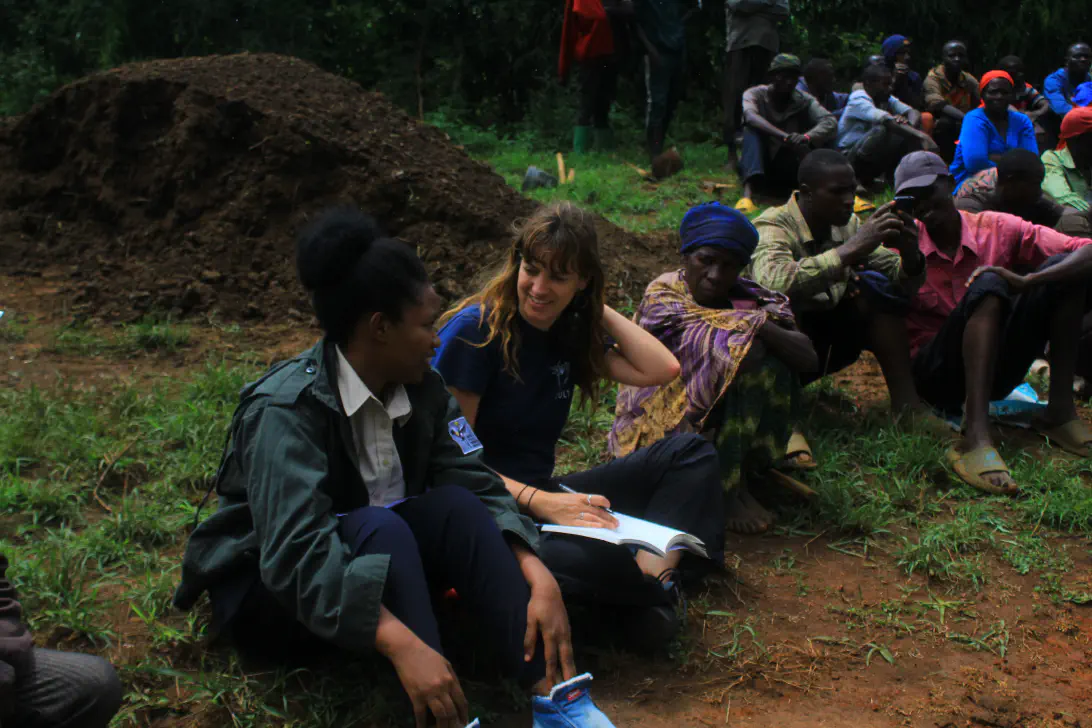
Intambwe Savannah: community-centred restoration
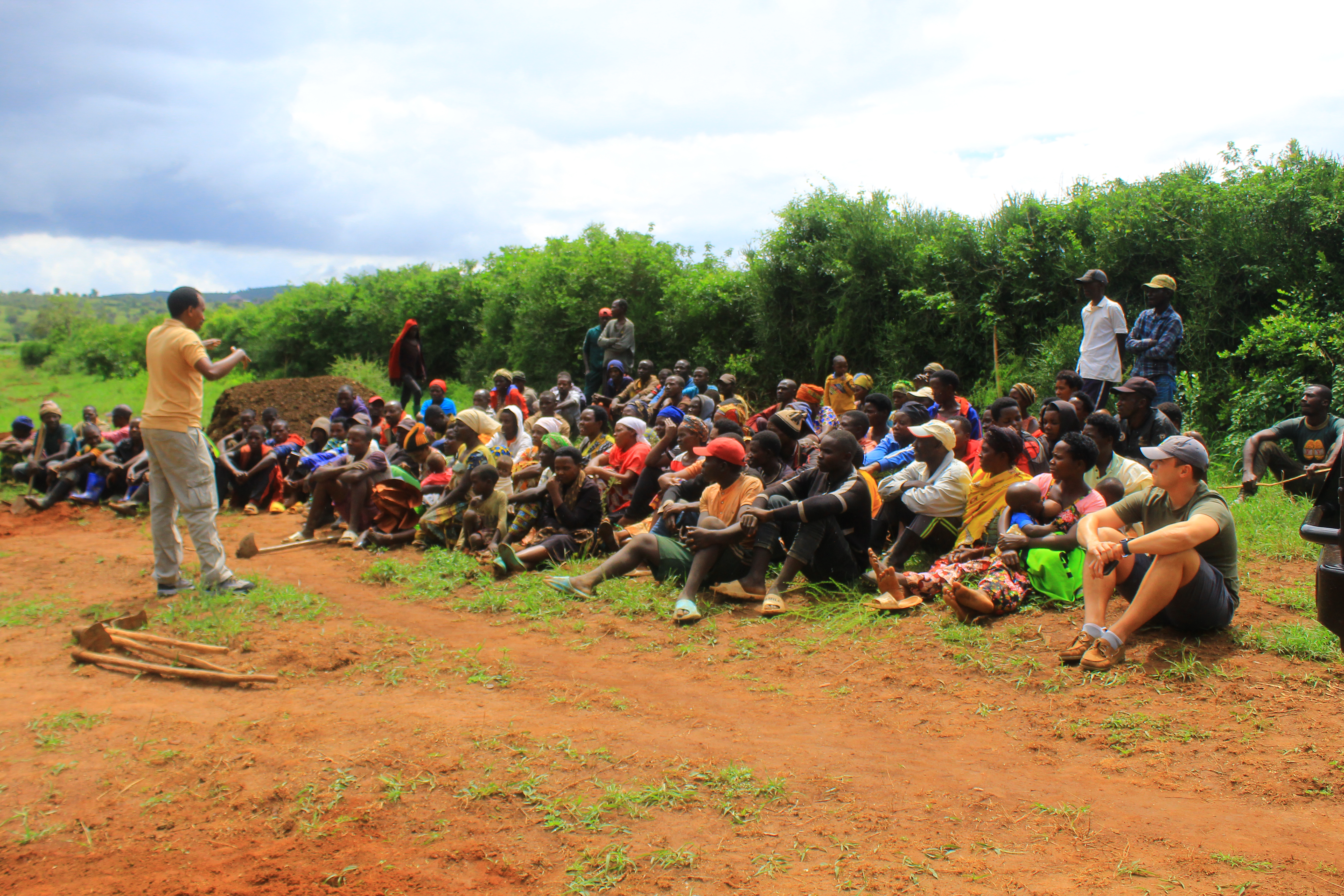
The Lifescape Project has partnered with the Rwanda Wildlife Conservation Association (RWCA) to develop a community-centred restoration pilot project, financed through the sale of carbon credits.
The aims of the project include:
– Restoration of savannah ecosystem to better connect wildlife and habitat in the buffer zones of Akagera National Park, with climate resilience benefits.
– A scalable model to improve quality of life and diversify income sources for rural communities, particularly vulnerable groups.
– A reliable finance stream to support RWCA’s community-centred restoration work within the eastern district.
– Refinement of the blueprint to facilitate scaling across Rwanda and eventually, East Africa.
A detailed factsheet on the project is available here.
Background
The Intambwe Savannah project responds to growing pressure on livelihoods, land and wildlife across eastern Rwanda. In Kayonza District in particular, most households depend on subsistence farming on increasingly marginal land, and ecosystem health and resilience are low and continue to decline.
The project is being registered under the Plan Vivo Standard, a high-integrity, co-benefits-focused carbon standard that requires the majority of carbon revenue to flow directly to communities. The Standard also requires that projects demonstrate net benefits for nature and wildlife.
The project site is located around 4 km from Akagera National Park, Rwanda’s only protected savannah ecosystem, where ecological connectivity in the surrounding buffer zone is currently limited, so it’s an important strategic area for conservation.
What’s being done?
The pilot involves restoring 40 hectares of degraded grazing land to a functioning savannah ecosystem. It forms part of RWCA’s wider work to establish a local conservancy, with carbon finance supporting this longer-term vision. The pilot also serves as proof of concept: a blueprint that can be scaled up within the region and, through transferable governance arrangements and technical approaches, across Rwanda and potentially East Africa.
During 2025, the project team completed the Plan Vivo Accelerator Programme, prepared a full Project Design Document (currently under review), received approval from relevant Rwandan authorities, and began initial restoration activities on site, including tree planting. Independent third-party validation is scheduled for mid-2026, which will allow us to complete registration and for RWCA to sell verified carbon credits.
If you’d like to know more, take a look at our project factsheet here.