
Placeholder image
Andrea Zampatti
England & Scotland

Testing the potential of conservation covenants and burdens

England and Scotland have created new legal tools designed to secure long-term protection for nature through conservation covenants and conservation burdens. But important questions remain about how these mechanisms can best support ambitious rewilding projects and dynamic, evolving ecosystems.

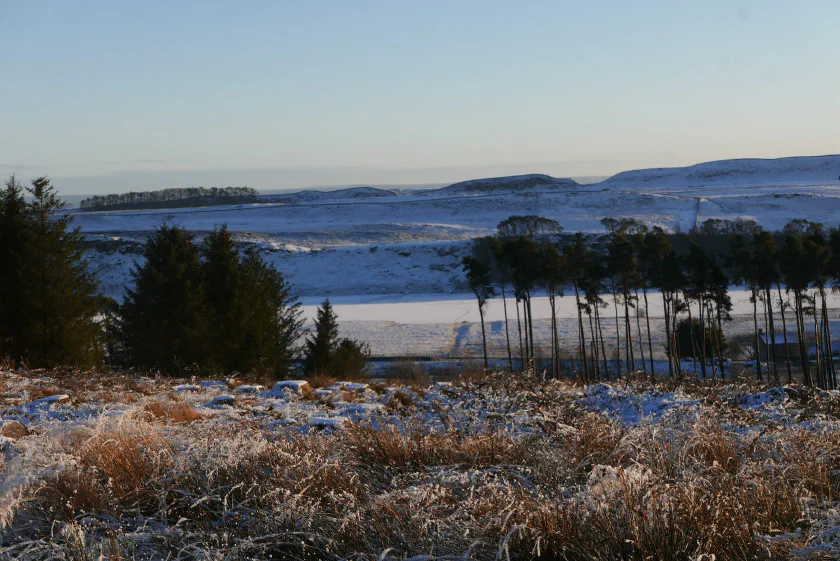
Through our Rewilding Legal Innovation Lab, we’re exploring how these tools can be used to deliver stronger long-term protection for wild land and help establish new models for nature recovery. We are registered to hold both conservation covenants (in England) and conservation burdens (in Scotland).

Head over to our Conservation Covenants webpage to learn more

Get in touch to discuss working with us as a responsible body
Placeholder image
Andrea Zampatti
England & Scotland

Reimagining land law principles to protect wild land

Conservation covenants and other existing legal tools create important opportunities for protecting rewilded landscapes but they don’t always provide the flexibility, permanence or ecological focus that large-scale rewilding requires.

Through our Rewilding Legal Innovation Lab, we’re developing and testing new approaches using established principles of land law that can secure long-term ecological commitments, protect land across generations and create stronger legal foundations for nature recovery.

Explore our work in Scotland

Explore our work in England & Wales

Get in touch if you’re interested in protecting your land

Rewilding_Europe_river
Juan Carlos Munoz
Portugal

Using foundations to create lasting protection for wild land

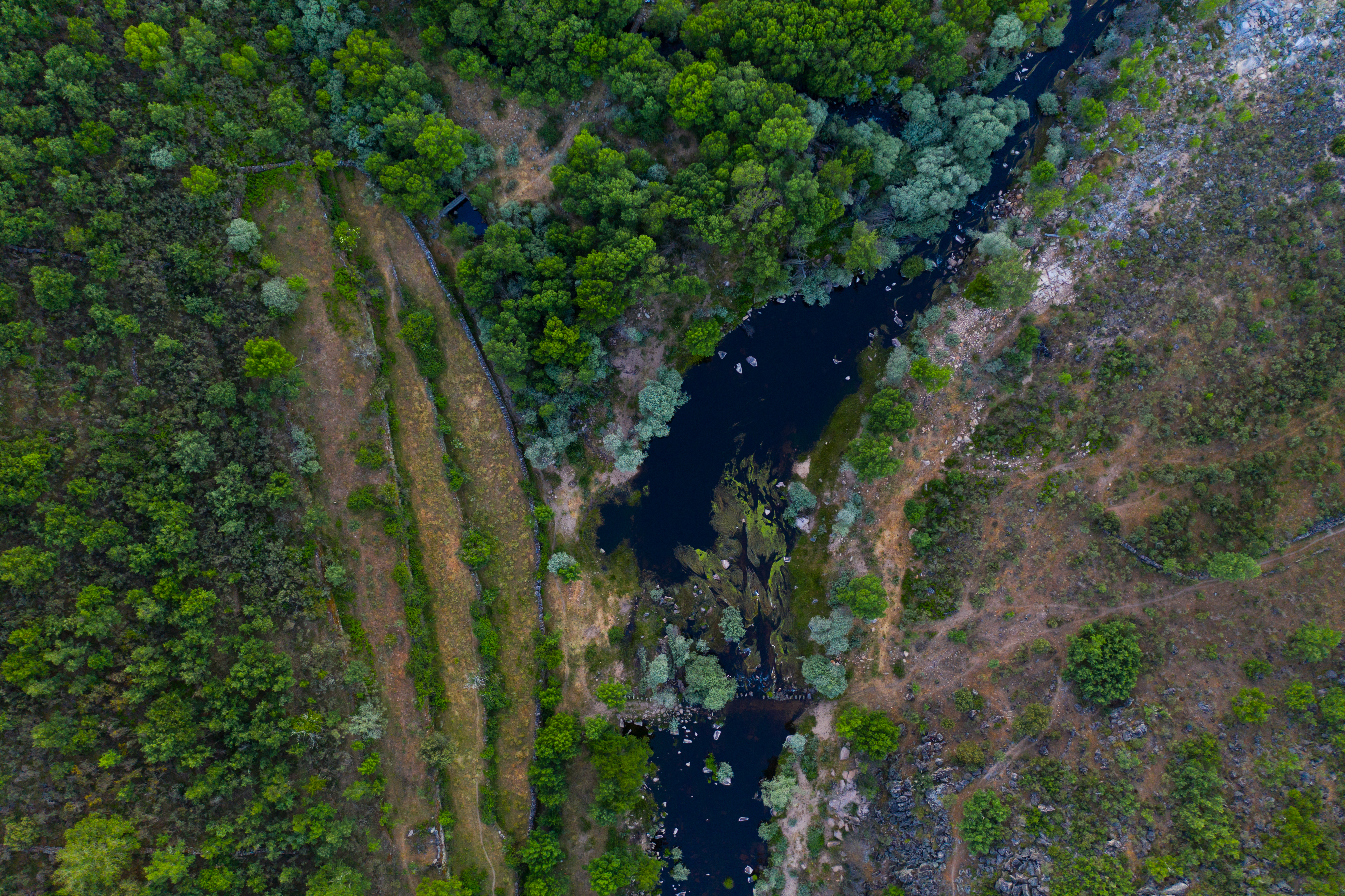
Working with Rewilding Portugal, we’re developing an innovative model that uses a dedicated foundation to hold land and assets acquired for rewilding. Because foundations are subject to public oversight and must operate in accordance with their stated purpose, they can provide stronger long-term safeguards for nature than ownership alone.

The foundation will ultimately hold approximately 1,200 hectares of land in the Greater Côa Valley in northern Portugal, along with future acquisitions, helping ensure that these landscapes remain dedicated to rewilding for generations to come.

As the first approach of its kind in Portugal, this project is testing a model that could be replicated by rewilding organisations elsewhere seeking long-term legal protection for wild land.

Explore our work in Portugal

Juan_Carlos_Munoz_Rewilding_Europe_land
Juan Carlos Munoz
Portugal

Protecting wild land without buying it

Long-term protection for nature does not always require land ownership. Working with Rewilding Portugal, we are testing how existing property rights can be used to secure land for rewilding while allowing it to remain in third party ownership.

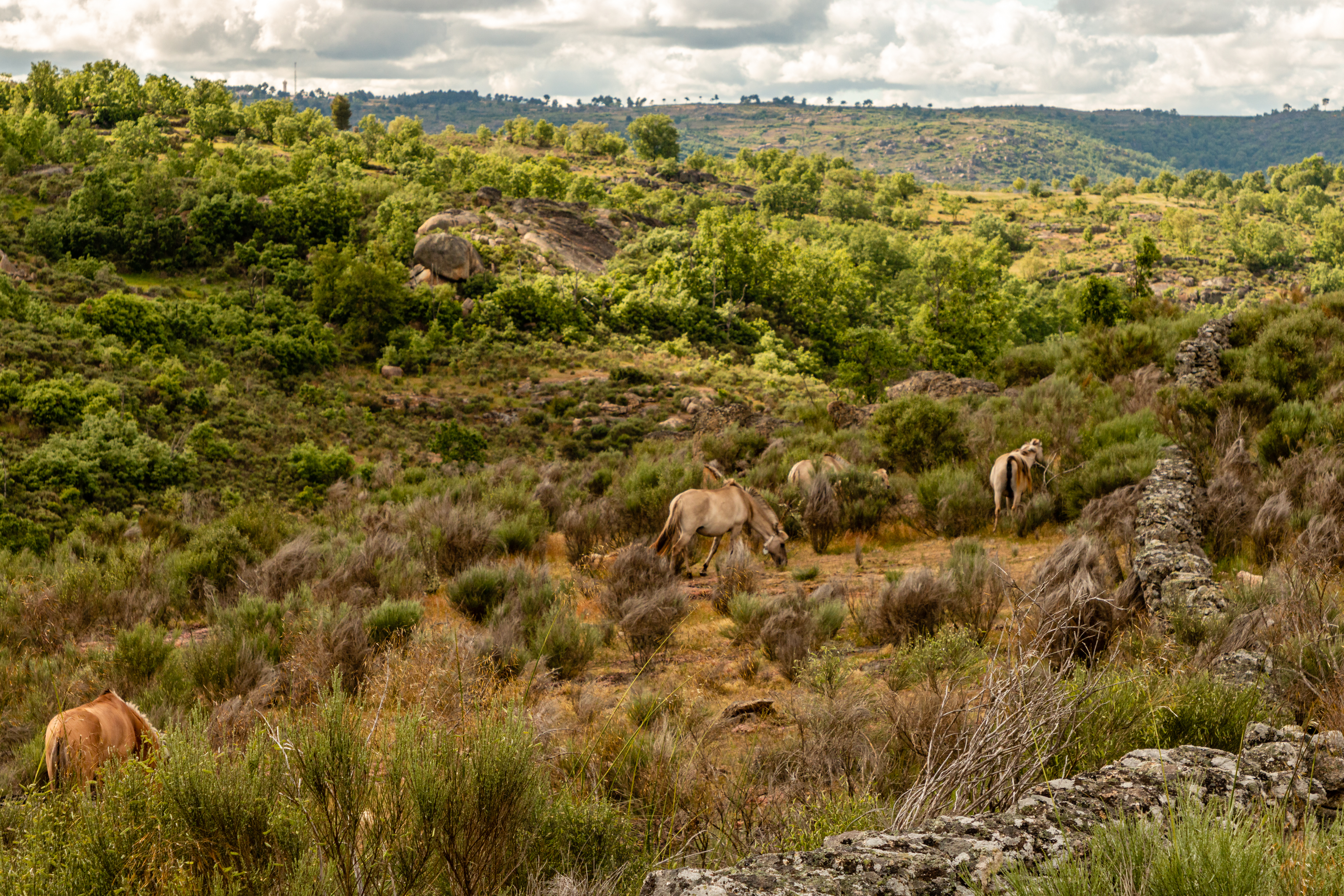
Using a Portuguese legal mechanism known as a “superficies right”, we have secured 30 hectares of land for rewilding without purchasing it. The agreement legally commits the land to natural processes and prevents extractive activities, with the protection registered against the land so that it continues to apply even if ownership changes in the future.

As far as we know, this is the first time a superficies right has been used for rewilding. If successful, it could provide a powerful and cost-effective model for protecting wild land across Portugal and potentially elsewhere in Europe.

Explore our work in Portugal

Ricardo_Ferreira_Rewilding_Europe_horses
Ricardo Ferreira / Rewilding Europe
Cross-Border

Developing a dedicated legal mechanism for wild land

Existing legal mechanisms can provide important protection for rewilded land, but they are not always designed with long-term ecological recovery in mind. As rewilding grows, there is an opportunity to consider whether dedicated legal tools could provide stronger, more flexible and more widely accessible protection for nature.

Several jurisdictions have already developed mechanisms specifically for long-term conservation, including conservation covenant in England, conservation burdens in Scotland, obligations réelles environnementales (OREs) in France, kwalitatieve verbintenissen (KVs) in the Netherlands and contratos de custodia del territorio in Catalonia.

Working with Rewilding Portugal, we are comparing these approaches and using our findings to explore the creation of a dedicated legal mechanism for protecting wild land under Portuguese law.

Get in touch to find out more

Get Involved

Are you interested in working with us to test new innovative legal approaches to rewilding? Is your rewilding project facing systemic legal hurdles you think we could address?
Get in touch